
Climate-Responsive Interior Design for Kerala Homes: Designing for Heat and Humidity
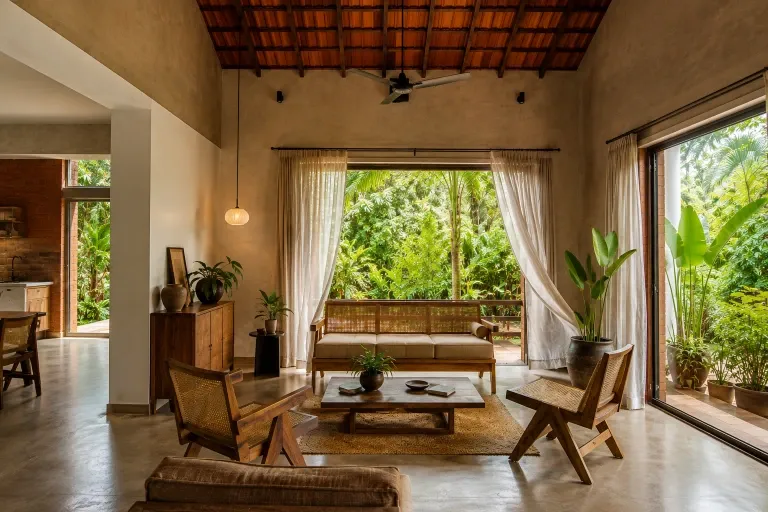
Kerala's heat, humidity, and monsoons shape everyday living here, and we've seen how the right interior choices can ease that instead of fighting it. We build homes around durable materials, thoughtful ventilation and lighting, and space that's optimised for climate-responsive interior design, so your home adjusts to these conditions rather than struggling against them. Get this right, and comfort goes up while maintenance concerns drop.
To create an ideal home for yourself, considering the climate of Kerala means much more than making your choices of finishes. The choice of materials for furniture, storage planning, layout of the rooms, and the inclusion of natural elements play a great role in the process.
Understanding Kerala’s Climate and Its Impact on Home Interiors
Kerala’s warm, humid climate affects how we plan and maintain every interior space we design. Poor decisions can leave your furniture, finishes, fabrics, and storage areas exposed to high moisture, heavy rainfall, and constant heat, causing damage to appear faster than most homeowners expect. For this reason, working with experienced interior designers in Thrissur can help ensure that climate considerations are built into the design from the beginning.
Good planning starts with understanding how your home responds to its surroundings. We look at airflow, sunlight control, and material choice together, because getting these right can reduce dampness, mould, and premature wear before they become expensive problems.
When it comes to home interiors in Kerala, climate is not an afterthought; it is part of what keeps your spaces functional, comfortable, and durable across every season.
Choosing Furniture Materials for Humid Conditions
In high humidity environments, furniture materials may be durable, moisture resistant and easy to maintain. The right choice protects your furniture from swelling, warping, and surface damage while keeping the finish looking the way it did on day one. At Lemon Interiors, we weigh design preferences alongside material performance, so what you get suits both your lifestyle and the conditions inside your home.
Teak Wood: Natural moisture and insect resistance make teak wood one of the more durable materials for use in furniture-making.
BWP Plywood: Boiling Water Proof plywood handles sustained humidity well, which is why we reach for it often in furniture exposed to damp conditions.
HDHMR Boards: High-density, high-moisture-resistance boards give you a smoother finish than standard boards, with noticeably better resistance built in.
Laminates: A protective top layer extends the life of the material underneath, adds design flexibility, and reduces upkeep.
Powder Coated Metals: These finishes will help to prevent rusting and can be applied to furniture components in damp conditions.
Moisture-Resistant Storage Solutions for Kerala Homes
Storage is where problems hide the longest, because you don't see the damage until you pull something out and it smells off, or a drawer won't slide the way it used to. Climate-responsive interior design pays close attention to this, since a beautiful wardrobe that traps moisture is really just a slow problem waiting to surface.
Our focus stays on how air moves through a unit, how easy it is to reach what you need, and how the layout holds up daily, not on squeezing in one more cabinet. Get that right early, and the storage lasts. Get it wrong, and you're refinishing shutters within a couple of monsoons.
Ventilated Wardrobes: Air needs somewhere to go inside a closed unit. Without a gap or vent built in, moisture just sits there, and you won't notice until something starts to smell.
Wall Clearances: Push a cabinet flush against a damp wall and you're inviting trouble. A small gap behind it makes a real difference over the years.
Elevated Cabinets: Floors hold moisture longer than walls do, especially near bathrooms or kitchens. Lifting a cabinet even a few inches keeps it out of that zone entirely.
Smart Internal Planning: A wardrobe crammed with everything in one space stays damp longer than one with clothes, accessories, and odds and ends properly separated. Airflow needs room to work.
Natural Materials That Work Well in Kerala’s Climate
The use of natural materials helps bring warmth and texture to interior spaces and fits nicely in Kerala’s tropical climate. When designing a room that needs a more calming and natural touch, we choose combinations that achieve that effortlessly. We combine these textures with contemporary elements in interior designs, which allows our interiors to maintain their traditional influence but at the same time be contemporary.
Natural Wood: Brings warmth into a room and holds up well against moisture once properly treated.
Cane and Rattan: Creates an airy lightness that works particularly well in tropical homes.
Natural Stone: Stays cool underfoot and offers a surface built to last.
Terracotta Elements: Earthy tones here echo Kerala's own design heritage.
Cotton and Linen Fabrics: Breathable weaves that substantially improve your everyday comfort.
Climate-Responsive Interior Design for Different Rooms
Every corner in your house has specific needs, and we design according to the way each space is actually used, not by applying a single formula to all. The layout of the space, arrangement of furniture, lighting, and choice of materials all affect the comfort level of the space. Our climate-responsive interior design strategy places special emphasis on spaces that not only support your activities but also naturally adapt to the climate conditions of Kerala.
Living Room
- Open Layouts: Movement flows better, and air moves with it.
- Natural Furniture: Wood, cane, and rattan pieces settle a room into a comfortable atmosphere.
- Cool Flooring Choices: Stone and ceramic surfaces stay noticeably cooler underfoot.
- Layered Window Treatments: Sunlight stays controlled without shutting out ventilation.
Bedroom
- Smart Bed Placement: Positioning beds away from direct afternoon sunlight helps reduce heat buildup and keeps bedrooms more comfortable at night.
- Breathable Textiles: Cotton and linen fabrics make a real difference to how well you sleep.
- Soft Colour Palettes: Neutral shades keep the room feeling calm and airy.
- Balanced Lighting: Evenings feel easier to unwind into with the right light levels.
Kitchen
- Strong Ventilation: Cooking heat and moisture clear out fast instead of lingering.
- Durable Countertops: Quartz and tiled surfaces take daily use without showing it.
- Efficient Appliances: Less heat gets generated during everyday cooking.
- Functional Layouts: Everyday movement through the kitchen stays convenient, not cramped.
Bathroom
- Moisture Resistant Finishes: Surfaces stay protected against continuous water exposure.
- Better Airflow: Humidity clears faster after every shower.
- Durable Materials: Ceramic tiles and treated surfaces hold up well over the years.
Explore our related guide : Curved Interior Design Trends for Modern Homes
Common Interior Design Mistakes to Avoid in Kerala’s Hot and Humid Climate
We prevent most interior problems long before they start, simply through better planning decisions upfront. Choosing materials for their looks rather than their performance tends to create maintenance problems down the line, often ones you don't notice until months later. In our case, beauty always combines well with functionality; there is no need to make a choice.
Poor Ventilation Planning: Heat and moisture get trapped inside without being circulated.
Unsuitable Material Choices: Faster deterioration and repeated repairs follow when materials aren't matched to the conditions.
Heavy Fabrics: Moisture lingers in dense weaves, making a room feel damp and uncomfortable.
Overusing Dark Finishes: Rooms absorb more heat and feel warmer than they need to.
Ignoring Maintenance Needs: Small problems turn into large problems when ignored for too long.
How Professional Interior Designers Can Create Climate-Responsive Kerala Homes
We plan every climate-responsive home around materials, layout, lighting, and storage working together, not as separate decisions made in isolation. Understanding how Kerala's conditions shape design comes from years of doing this on the ground, and it lets us build spaces that genuinely work for how you live.
Since 2012, we’ve been designing homes across Kerala. As experienced home interior designers in Kochi, we create interiors that are attractive, functional, and made to last, shaped around how you actually live rather than a fixed template. From modular kitchens and wardrobes to complete home interiors, we plan everything around your requirements, lifestyle, and the way you use your space.
Our approach to designing any interior starts with understanding your requirements and then moving through material selection and designs till execution, ensuring quality throughout the entire process. You would receive an interior environment that will be comfortable, beautiful, and durable.
Contact Lemon Interiors to explore climate-responsive interior design services and create a home designed around Kerala’s climate and your lifestyle.