
Wall Dampness: Causes, Prevention Solutions For Your Home.
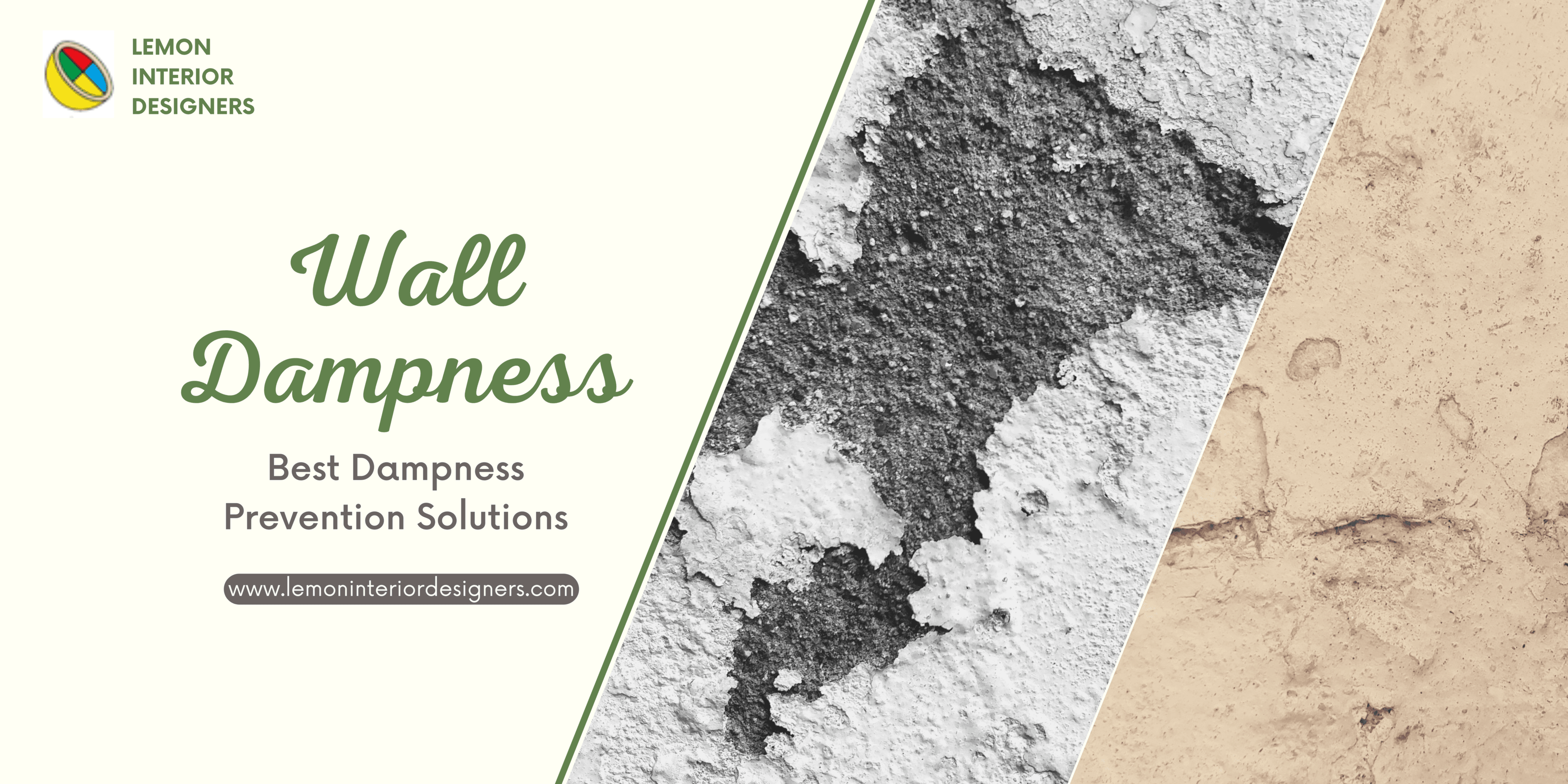
You have created a beautiful home with the most exquisite interiors and the right wall colours and amidst all the right things, there is the crack patch of wall and something similar to that of a wet stain. That small patch brings down the entire outlook of your home and what you have tried to achieve. This cracked patch usually comes because of dampness inside the walls.
Damp walls mean that there is unwanted moisture inside the walls. Not just the walls, dampness can also be found in ceilings and floors as well. There are plenty of reasons why moisture can creep into your home and make it a mess. In this article, we are trying to explore wall dampness – types, causes & solutions.
Types of Wall Dampness
There are three types of dampness
- Penetration
- Rising
- Condensation
Penetration
Penetration dampness is caused by the leaking of water through the walls. The leakage of water through the walls can be caused by a number of factors, like:
- Rain gutters on your roof that are damaged or clogged
- Bricks losing their ability to withstand weather
- issues with the building’s structural soundness
- Wall cracks on the exterior
- Dents in the frames of the doors and windows
- Dripping pipes
- Defective or broken roof tiles
You can start detecting penetration when you start seeing damp patches appear on the wall, especially when there are incessant and non-stop rains. There will also be a moldy smell, and the painting on the walls will start to blister.
Rising
The cause of this kind of dampness is usually the water that rises from the ground and moves up into the walls as a result of the capillary. This happens because there are structural issues with the building. Damp-proofing is a waterproof layer that stops the rise of groundwater. The warning signs of rising dampness in your home are when you see damp patches on the lower side of the wall gradually making their way to the upper portions. It can also be detected by the formation of salts on the walls and stains on the walls.
Condensation
Condensation happens when the air condenses on walls, due to a lack of ventilation, cold surfaces, and proper heating inside the homes. When warm and moist air comes into contact with the walls, it can’t hold moisture and thereby condenses on the walls. Condensation on the walls gives the room a damp smell. You can also see water droplets on the walls and the windows.
Causes of wall dampness
There are many causes of wall dampness. Some of them are:
- Excess moisture: Moisture can be developed due to many of the regular activities that take place in the home on a daily basis. It can be due to cooking, washing, showering, and drying clothes. These activities alone can be a good contributor to moisture and hence dampness inside the home. And without a proper exit for air, it can be a major problem.
- Poorly heated homes: Warm air can have more moisture than cool air. This directly points out the fact that the temperature in the home can give rise to condensation. In homes that are underheated, there is a higher possibility of condensation. So, increasing the temperature and heating it well can help reduce dampness.
- Poor Ventilation: When there is no room for proper flow of air, it can aid condensation and mold growth inside the home. This is because warm air inside the home without chances for escape condenses on the colder surfaces inside the home and thus causes dampness.
Prevention and Solutions For Wall Dampness
Let’s take a look at some of the most effective ways to prevent wall dampness, which is one of the best solutions to the problem.
Check for wall cracks and seal them off
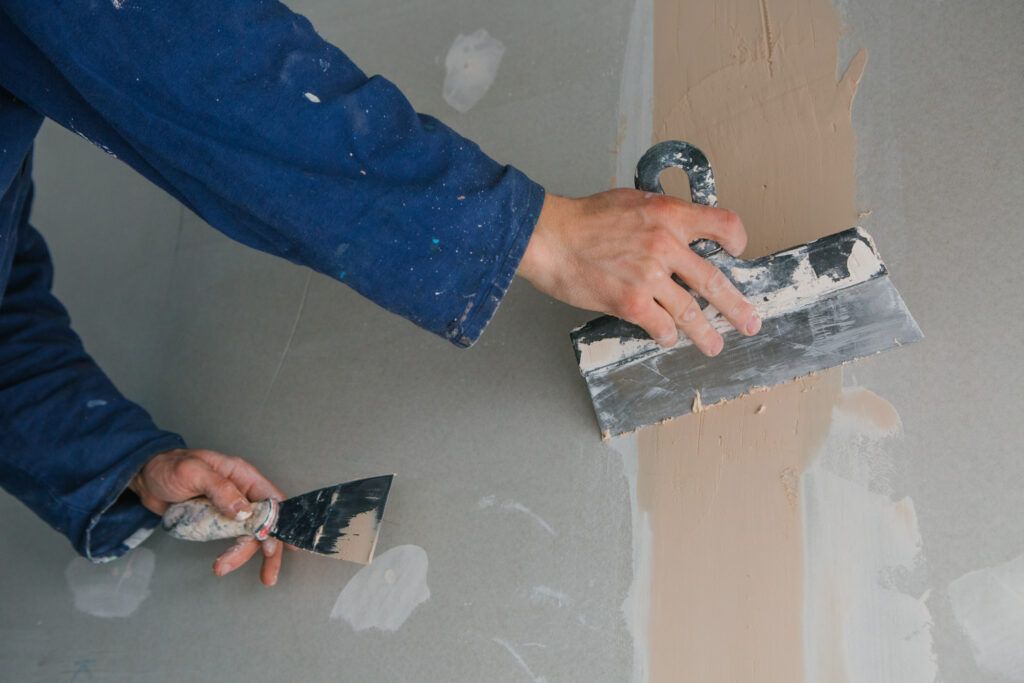
Applying finishing putty is one of the best solutions for wall dampness
Wall cracks appear gradually over time. These are commonly found around doors and windows. These cracks slowly provide a way for moisture to creep into the walls of the home or building, which causes blistering and dampness in the walls. So, the best solution would be to fill the cracks. To prevent further damage, it’s recommended to fill in any cracks before the rainy season. Once the cracks have been filled, the excess plaster should be removed, and the walls should be repainted.
Waterproof the walls
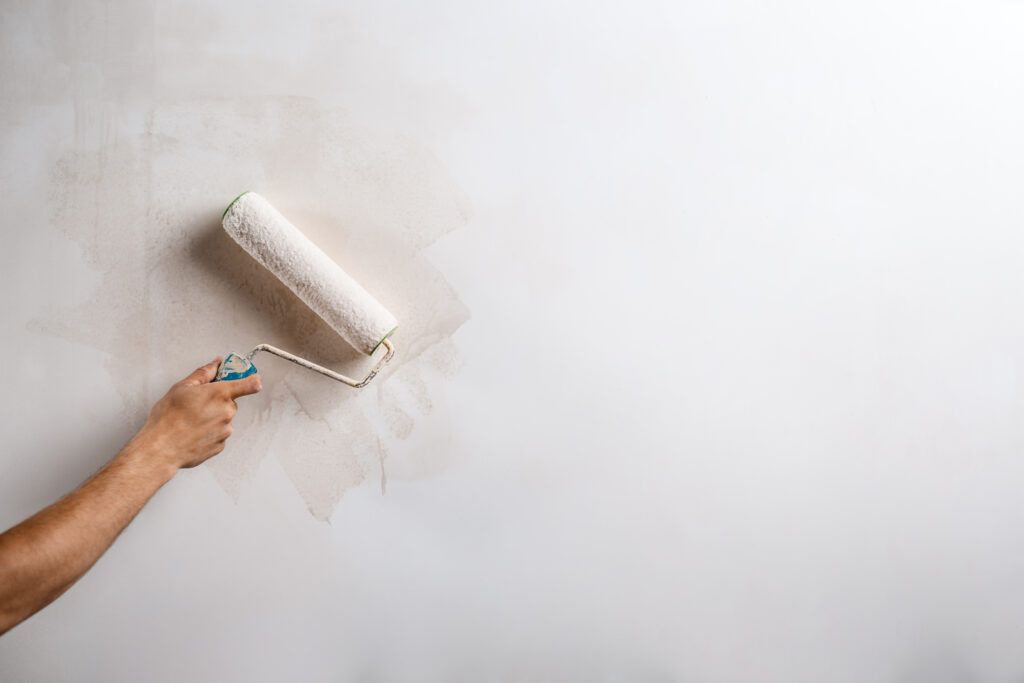
Waterproof paints help prevent dampening of walls to a certain extent
When the painting of the exterior walls takes place, owners rarely think about using waterproof paint solutions. Normal paint helps water to seep in through outside walls. So applying paints or solutions that help with waterproofing the exterior walls can help prevent wall dampness to a great extent. Waterproofing roofs and ceilings can also help to bring down the chances of wall dampness.
Install a Damp-Proof Course
As previously stated, the main cause of rising dampness is the failure to install a damp-proof course. A damp-proof course is a waterproof material that stops the groundwater from rising through the walls. It is added to the brick at a height of 150 meters above ground level. If you notice patches on the lower portion of the walls, it could indicate that the damp-proof course needs to be replaced, even if the building has one installed. It is common in many buildings, but it’s important to keep an eye on the condition of the damp-proof course to avoid any future issues.
Waterproof Tiles
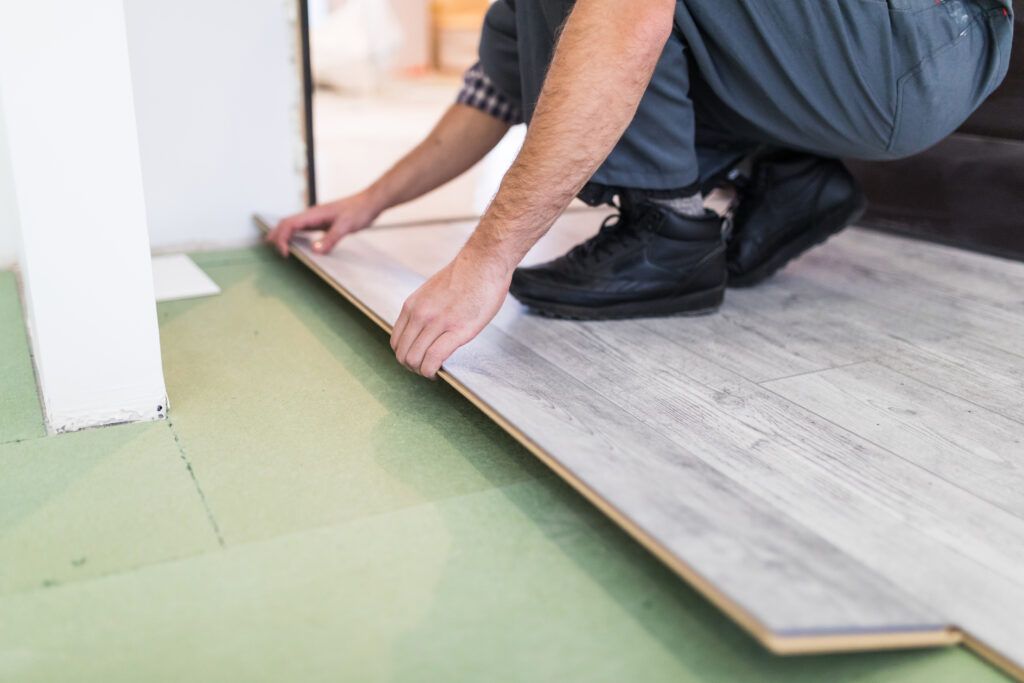
Applying tiles prevents your floors from getting dampened
Internal wall dampness can be reduced by installing waterproof tiles. Ceramic, vitrified, and porcelain tiles are the best choices for waterproof tiles. They are impervious to water. The layout of the tiles should be breathable, and if needed, add an extra water-based sealer to the flooring.

How does Dampness affect walls?
Dampness can affect your walls in three different ways:
- It can cause your wall to decay. The presence of moisture can cause the disintegration of the structure and the presence of fungus and mold can also lead to subsequent corrosion.
- Dampness can cause dry rot timber and wood. It will eventually lead to the powdering of wood and this happens due to poor ventilation.
- It can simply throw off the look of your home. It starts appearing as blisters and damp patches which creates unevenness on the walls and is not so pretty to look at. It can create an unpleasant smell and is not very good for the lungs and can cause other health problems.
How can Lemon Interiors Help You With Wall Dampness?
Lemon Interiors can provide you with the best professional tiling & waterproof solutions to treat dampness in your homes. You can make a quick inquiry at any of our contact numbers provided, or you can walk in into the office for expert advice from our professionals.
WEBSITE: www.lemoninteriordesigners.com
PHONE: +91 989-567-7008. +91 974-551-8705
ADDRESS: Thekkumkattil Tower, Metro Pillar No. 352, Pathadipalam, Kochi -682024
FAQs
What is Guniting? How does it prevent dampness?
Guniting is the process of spraying a mixture of concrete to a surface to make them waterproof. In this process, concrete is sprayed over the walls at a high speed. It reduces the porosity of the structures. It has better and long-lasting effects and prevents dampness.
Guniting can be useful in preventing dampness in a few ways:
- Waterproofing: When guniting is applied to the exterior of a foundation or walls, it creates a waterproof barrier that can help prevent water from penetrating the surface and causing damage.
- Strengthening: Guniting can help strengthen and reinforce the structural elements of a building, making it less likely to develop cracks or other weaknesses that could lead to dampness.
- Improving drainage: Guniting can also help improve drainage around a building, directing water away from the foundation and walls and preventing it from pooling and causing dampness.
- Encasing existing structure: Guniting can be used to encase an existing structure and provide a barrier that can prevent water or dampness from penetrating the structure, for instance, if the dampness is coming from the outside, like a water table that is too high.
What is grouting? How does it prevent dampness?
Pressure grouting or jet grouting is the process of injecting cement into cracks and fissures with the help of a jet. Grouting is generally done to reduce the water flow thereby removing dampness.
When it comes to preventing dampness, grouting can play an essential role in several ways:
- Waterproofing: Grout is typically waterproof, which means it can help prevent water from penetrating the gaps between the tiles and seeping into the subfloor. This can help prevent dampness and mold growth.
- Improving the structural integrity: When the grout is properly applied, it creates a more solid surface that can help prevent the tiles from shifting or becoming loose, which can help prevent dampness.
- Preventing mold growth: If water and moisture are allowed to accumulate in the gaps between tiles, it can lead to mold growth which can cause health problems and can damage the structure of the building. Grout helps to prevent the accumulation of moisture and mold growth.
How do I stop damping on my walls?
There are several steps you can take to stop dampness on your walls, including:
- Identify and fix the source of the dampness: Before you can address the dampness on your walls, you need to identify and fix the source of the problem. Common causes of dampness include leaks, poor ventilation, and missing insulation.
- Use a dehumidifier: Running a dehumidifier in your home can help reduce the amount of moisture in the air and prevent dampness on your walls.
- Insulate your walls: Insulating your walls can help prevent moisture from penetrating them.
- Repairs and maintenance: Regularly inspect and maintain the house, looking for any signs of leaks, cracks, or any other issues that might allow water or humidity to get inside the walls.
- Repaint or apply to waterproof: If the paint on your walls is peeling or bubbling, you should repaint them with waterproof paint. If the problem is more severe, you might want to consider applying a waterproofing sealant to your walls to prevent water from penetrating them.
- Professional help: If the problem persists or is severe, it’s best to call in a professional to inspect the house and find the source of the problem, and provide a more accurate solution.
How do I know if my walls are damp?
There are a few signs that can indicate that your walls are damp:
- Visible mold or mildew: This is one of the most obvious signs of damp walls. Mold and mildew typically appear as discolored or darkened patches on the walls, and they can have a musty smell.
- Peeling paint or wallpaper: If the paint or wallpaper on your walls is peeling or bubbling, it could signify dampness.
- Stains on the walls: Dampness can cause stains to appear on walls, and these stains can be discolored, dark, or rusty in appearance.
- Efflorescence: Efflorescence is a white, powdery deposit that can appear on walls and is caused by the presence of salts left behind by evaporating water.
- Warping or bowing walls: If your walls are becoming warped or bowed, it could be a sign of water damage.
- Musty odor: If your walls have a musty odor, it could be caused by mold or mildew growth, which is an indicator of dampness.
Can dampness cause a house to collapse?
Dampness alone is unlikely to cause a house to collapse, but if left untreated, it can lead to significant structural damage over time. Moisture can cause wood rot, which can weaken the structural integrity of a house and make it more susceptible to collapse. It can also cause the rusting of metal components such as nails and screws, weakening the connections and compromising structural stability.