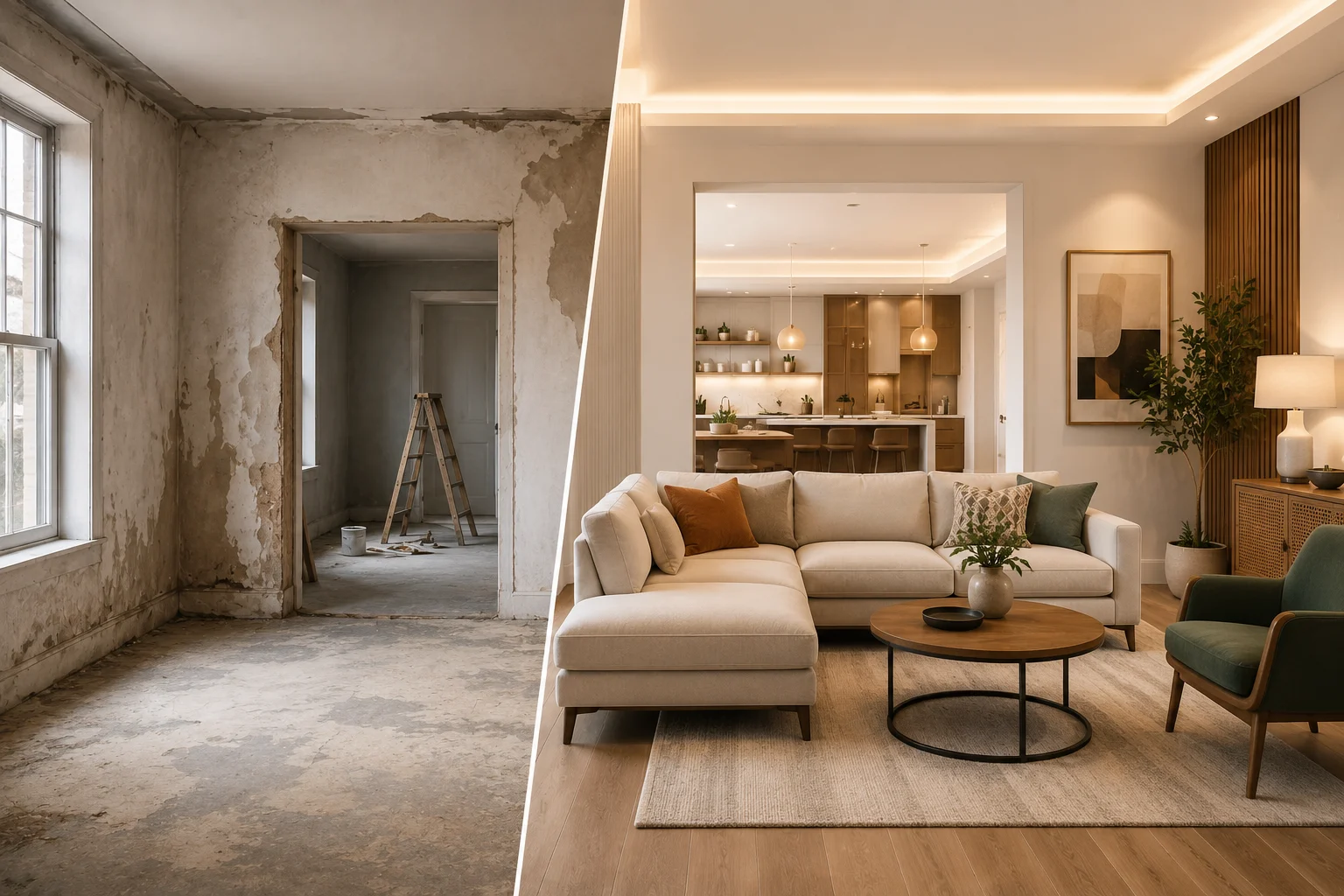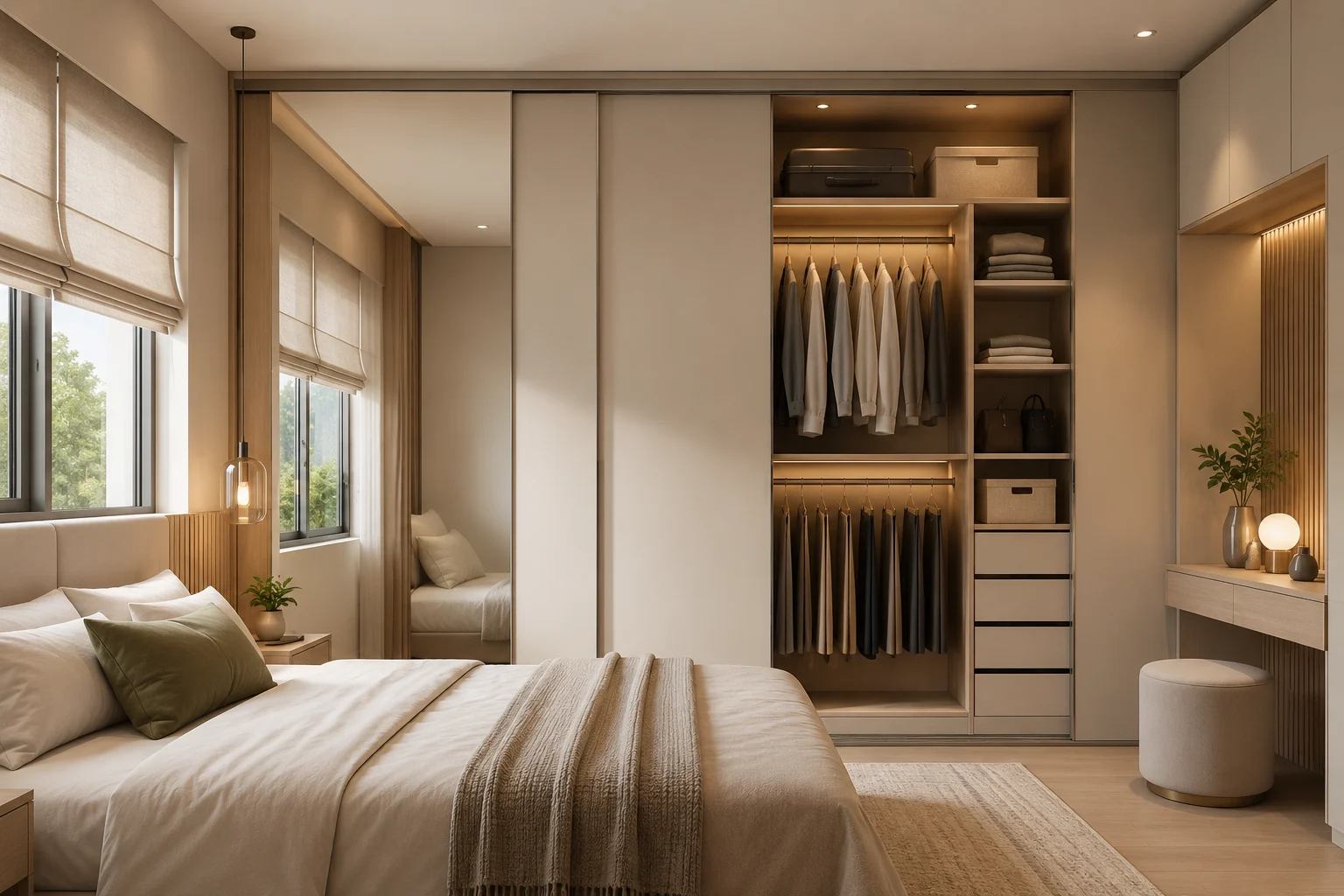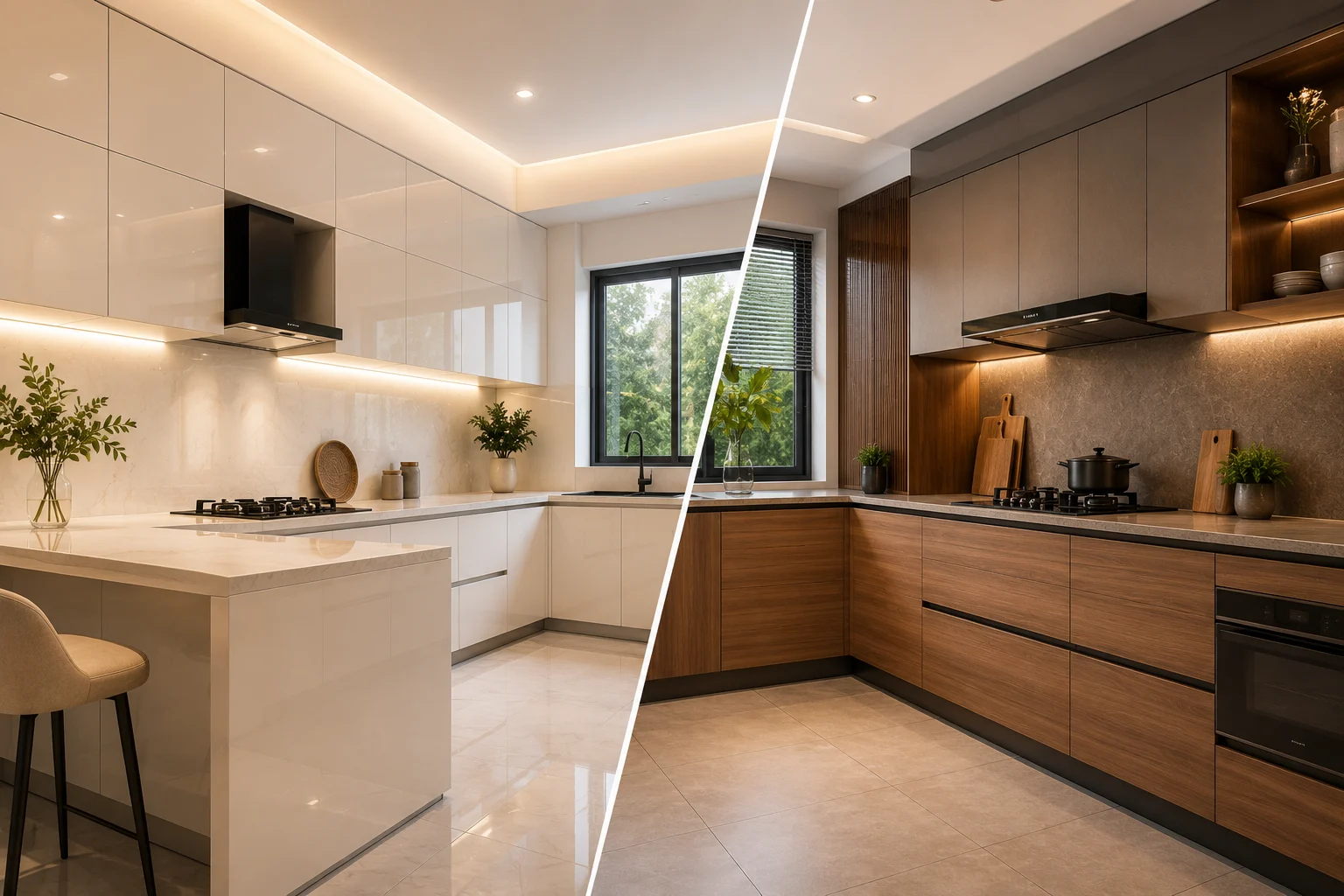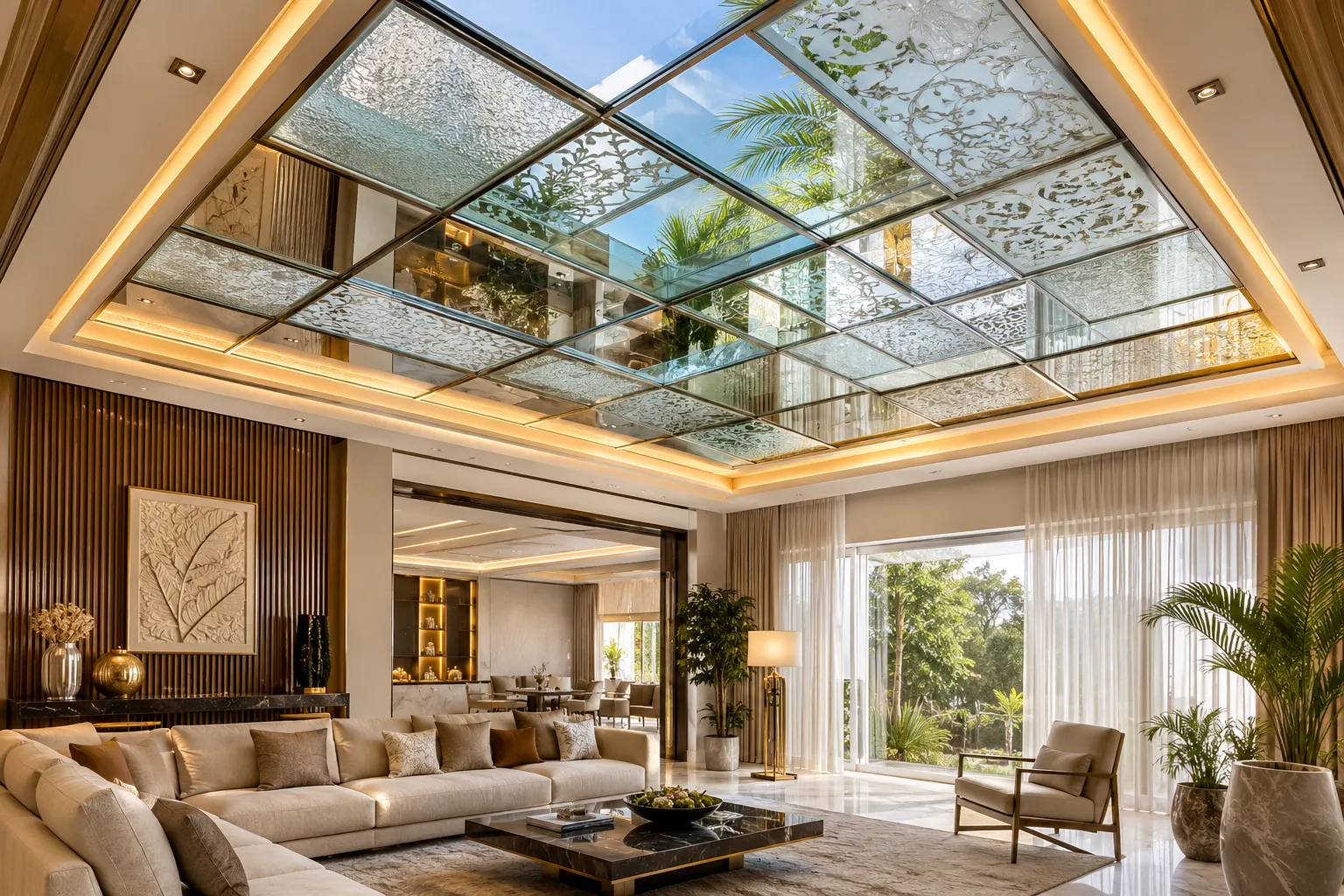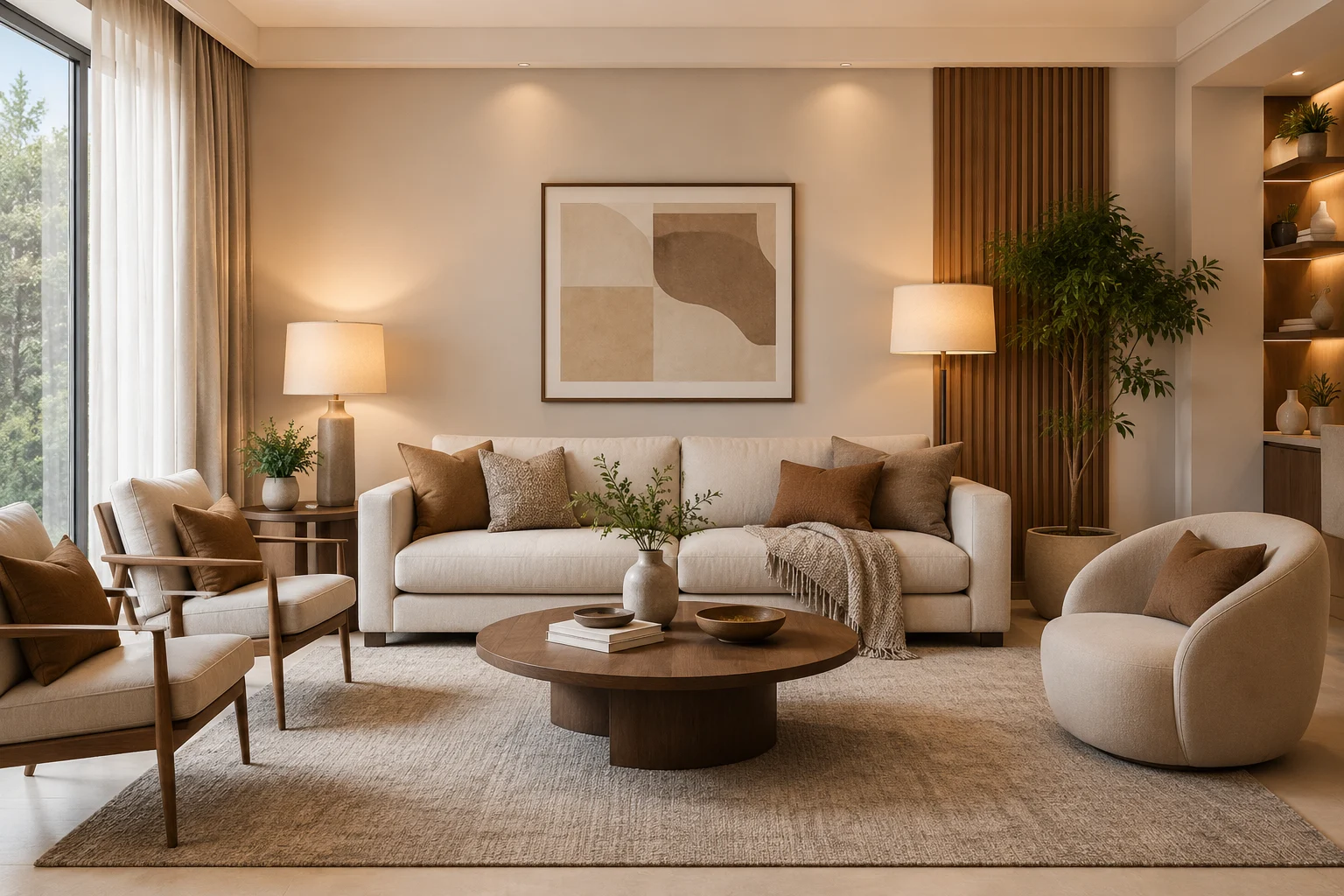
The living room is the most used and most visible space in any home. It receives guests, hosts family gatherings, and reflects the personality of everyone who lives there. Good design starts with understanding how the space is actually used. Even small planning oversights in layout, lighting, or furniture placement can affect how comfortable and practical the room feels over time. Yet despite its importance, it is also the room where design errors most frequently occur. Some of these mistakes are obvious, while others are subtle enough to go unnoticed for years, which, over time, diminishes the comfort and visual appeal of the space. Understanding what these mistakes are and how to correct them is the first step toward a living room that works for you.
Why Good Living Room Design Matters
A well-designed living room does far more than look attractive. It supports the way people actually live, offering comfortable seating, adequate lighting, clear circulation paths, and a coherent visual identity. When these elements fall short, even an expensive room can feel awkward or unwelcoming. Poor spatial planning makes rooms feel smaller than they are. Bad lighting creates strain and affects the overall ambience. A lack of cohesion in colour and texture leaves a space looking like a collection of unrelated purchases rather than a considered whole. Good design, by contrast, makes a room feel effortless and inviting.
Common Living Room Design Mistakes and Their Solutions
Even well-intentioned design decisions can quietly undermine a living room's comfort and visual appeal. Most of these errors follow common patterns, and once identified, they are simple to correct. The following are the most common mistakes homeowners make and the practical solutions that resolve them.
Choosing the Wrong Size Rug
This is one of the most widespread and easily avoided errors in living room interiors. Many homeowners select a rug that is too small, placing it beneath only the coffee table while the sofa legs float on bare floor. This fragments the seating area visually and makes the room feel unanchored. The correct approach is to choose a rug large enough for the front legs of all major seating pieces to rest on it, or ideally for the entire furniture arrangement to sit within its outline. A properly sized rug draws a zone together and gives the room a grounded, finished quality.
Pushing All Furniture Against the Walls
The instinct to push sofas and chairs flush against the walls is understandable, particularly in smaller rooms where space feels precious. However, this approach almost always works against the room. It creates a rigid, waiting-room arrangement that discourages conversation and leaves a large dead zone in the centre of the space. Pulling furniture a few feet away from the walls and grouping it inward creates a more intimate and functional seating arrangement, and paradoxically makes the room feel larger.
Getting Lighting Wrong
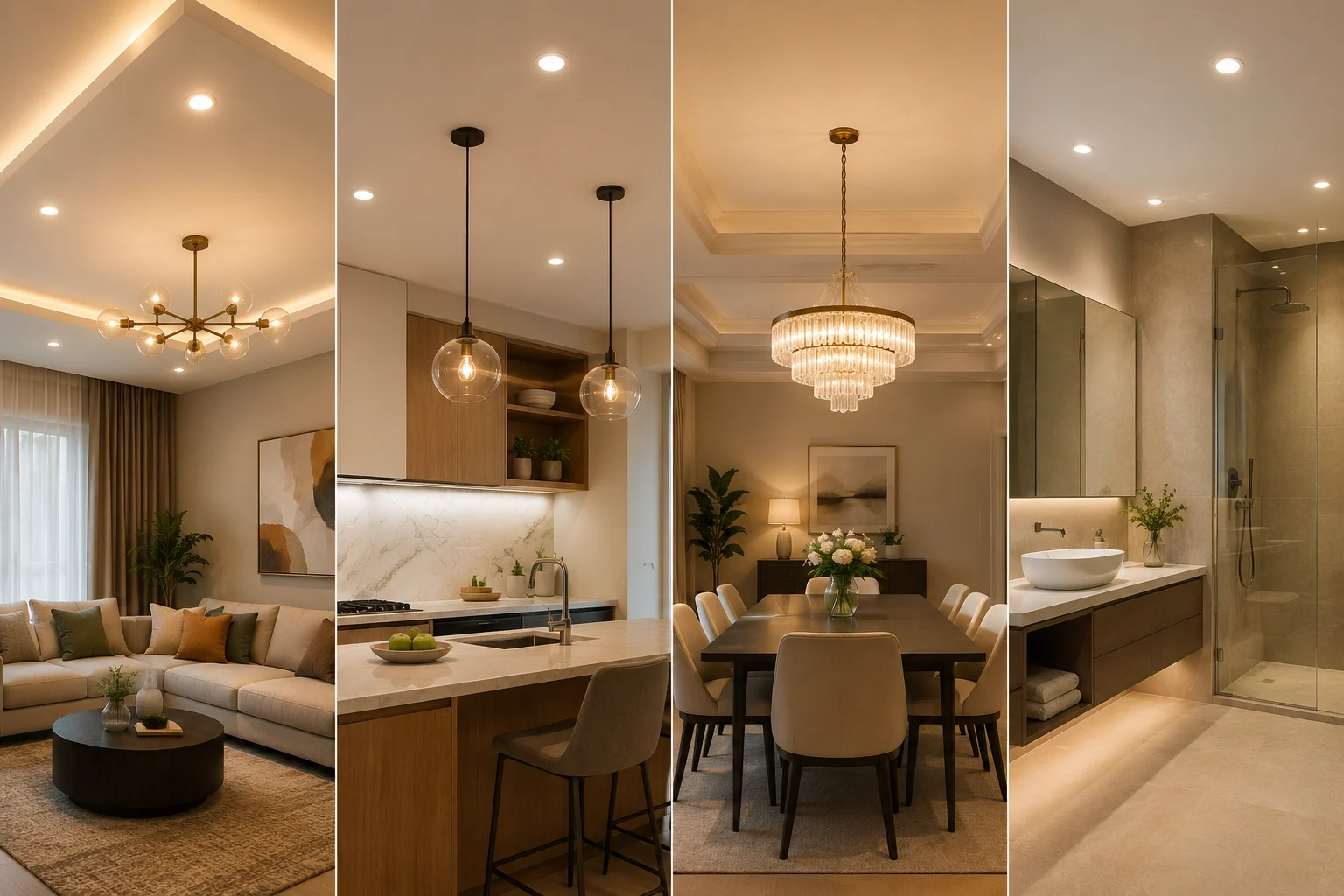
Dependence on a single overhead light source is one of the most damaging things a homeowner can do to a living room. Overhead lighting alone produces a flat, unflattering effect that flattens depth and makes the room feel clinical rather than comfortable. A well-lit living room uses layers: ambient light for general illumination, task lighting for reading or working, and accent lighting to highlight artwork or architectural features. Table lamps, floor lamps, wall sconces, and well-placed downlights working together create the warmth and flexibility that a single ceiling fixture simply cannot achieve.
Ignoring Scale and Proportion
Scale mismatches are surprisingly common. An oversized sofa in a compact room overwhelms everything around it, while delicate, undersized furniture in a large room looks lost. Before purchasing any significant piece, measure the room carefully and consider how each item will relate spatially to its surrounding furnishings. A large room can absorb substantial pieces, while a smaller one requires restraint. Getting proportions right does not mean choosing the smallest available option but rather incorporating pieces that are genuinely suited to your space.
Neglecting Natural Light
Heavy curtains that block natural light, or window treatments positioned too low and too narrow, can make even a generously sized room feel dark and enclosed. Curtain rods should be mounted close to the ceiling and extend well beyond the window frame on each side, allowing curtains to stack off the glass entirely when open. This maximizes the available light and creates the impression of wider windows. In rooms with limited natural light, mirrors can be positioned to reflect and distribute light, making the space feel brighter and more open.
Creating a Space With No Focal Point
Every successful living room has a focal point, a visual anchor that draws the eye and organizes the furniture around it. In many rooms, this could be the fireplace, a television wall, or a piece of statement artwork. When a room lacks a clear focal point, the space can feel disjointed and unfocused. The same issue can arise when several elements compete for attention, making it difficult for any one feature to stand out. So it is important to identify the strongest architectural or decorative feature in the room and allow it to guide the arrangement of everything else.
Overlooking Storage and Functionality
A living room that looks beautiful but isn’t practical can be frustrating to live in. Remote controls, books, throws, children's toys, and other objects need a proper home within the space. Built-in shelving, console units, ottomans with internal storage, and well-chosen cabinets address clutter without pulling the room away from its intended aesthetic. Thoughtfully designed storage becomes part of the visual appeal of the room rather than a practical element. A living room that handles real life well, without looking like it is trying to, is the mark of genuinely considered interior design.
Using Too Many Patterns or Too Few
Pattern is one of the more demanding elements to handle well in a living room, and errors in either direction are equally common. Layering too many competing prints across cushions, rugs, curtains, and upholstery produces a visual restlessness that wears on the people who live with it. Eliminating pattern solves nothing, as a room without it tends to read as flat and lacking in character. The more reliable approach is to anchor the room with one dominant pattern in a key piece, introduce a second in a noticeably different scale, and keep the remaining surfaces in solid tones that create overall balance.
Tips for Designing a Functional and Stylish Living Room
Achieving a living room that is both practical and beautiful requires deliberate decision-making from the very beginning of the process. Many common design mistakes often happen because the planning stage lacks a clear structure. The following tips offer a simple framework to help get the basics right before moving on to decorative choices.
Start With a Scaled Floor Plan
Before purchasing any furniture or committing to a layout, draw the room to scale on paper. This one step alone prevents the most expensive mistakes, including oversized sofas, blocked walkways, and furniture arrangements that do not work in the available space.
Define How the Room Will Be Used
A household with young children has fundamentally different requirements from one without. Establish who will use the space, how often, and for what purpose before making any design decisions. A room designed around real life will always outperform one designed around aesthetics.
Establish a Colour Palette
Choose a cohesive colour palette at the outset and refer back to it with every subsequent decision. This single step prevents the accumulation of mismatched pieces and keeps the room visually unified from walls and flooring through to soft furnishings and accessories.
Invest in Quality Pieces
Prioritise quality in the pieces that receive the most daily use, particularly upholstered seating. A well-made sofa will hold its shape, comfort, and appearance far longer than a budget alternative and will ultimately prove more economical over time.
Curate the Space
Removing pieces that do not serve the space is as important as adding ones that do. A room with better elements will always feel more considered than one filled with furniture and accessories that have no clear purpose.
Layer Lighting From the Outset
Lighting should be planned at the same time as the layout, not treated as an afterthought. Combining ambient, task, and accent lighting sources gives the room flexibility and warmth that a single overhead fixture can never provide.
When Should You Consult an Interior Designer?
Not every living room project requires professional input, but there are circumstances where consulting a designer makes both practical and financial sense. If a room has persistent problems that cannot be resolved despite repeated attempts, an experienced professional will often identify the underlying issue. Major renovations, open-plan layouts, or rooms with challenging proportions, unusual architectural features, or specific technical requirements around lighting and acoustics all benefit from professional expertise. Designers also have access to trade resources, suppliers, and specification knowledge that is not readily available to the general public, which can significantly elevate the quality of the finished result.
Final Thoughts on Better Living Room Design
The most common living room design mistakes are rarely about taste. They are about proportion, planning, and an understanding of how space, light, and furniture interact. Correcting them always requires targeted changes that can transform how a room feels and functions. For homeowners in Kerala looking for expert guidance, Lemon Interiors brings over 15 years of experience to every living room project. As one of the leading interior design companies in Kochi, Lemon Interiors provides comprehensive design services for homes, villas, and flats, ensuring that every space is as functional as it is beautiful.
If you're planning to redesign your living room or create a more cohesive and comfortable home, contact Lemon Interiors to discuss your requirements and discover design solutions tailored to your space.