The modern home is no longer just a place to sleep and eat. It is an office, a gym, a sanctuary, and a social hub, often all within the same few hundred square feet. As urban centers become denser and the work-from-home culture solidifies, the traditional boundaries of architecture are dissolving. We are moving away from homes where each room serves a single function and entering the age of the fluid home.
For new homeowners, the challenge is no longer just about fitting furniture into a room. It is more about arranging a space that can transform its identity three times a day without feeling cluttered or chaotic. This is where the science of multifunctional design becomes the ultimate tool for compact living.
What Are Multifunctional Spaces in Interior Design?
At its core, multifunctional design is the strategic use of a single area to serve two or more distinct purposes. However, it’s far more than just putting a desk in a bedroom. Multifunctional design is intentional and integrated. It’s the kitchen island that acts as a breakfast bar, a food prep station, and a high-top workstation. A guest room can be a home library most of the time, with a bed ready when you have visitors.
In professional interior design, this is often referred to as flex-space. It relies on the principle that square footage is a precious resource that should be used well. If a room is only used for part of the day, the rest of the time it sits unused. Multifunctional design ensures that every inch of the home remains active and productive throughout the day. It also encourages more mindful living by reducing the need for excess space and unnecessary furnishings. With thoughtful planning, these adaptable environments can evolve alongside changing lifestyles and needs. Ultimately, multifunctional design brings greater efficiency, flexibility, and value to modern homes.
Why Multifunctional Spaces Are Essential for Compact Homes
The shift toward smaller homes isn't just a trend. From studio apartments in Kochi to small penthouses in Dubai, tiny homes are becoming smart homes. When space is limited, traditional layouts don’t work well because they focus on walls instead of flow. Multifunctional design solves the cramped feeling in small homes. By eliminating the need for dedicated rooms for every activity, you open up the floor plan. This makes the space feel lighter and larger. You aren’t just living in a small apartment.
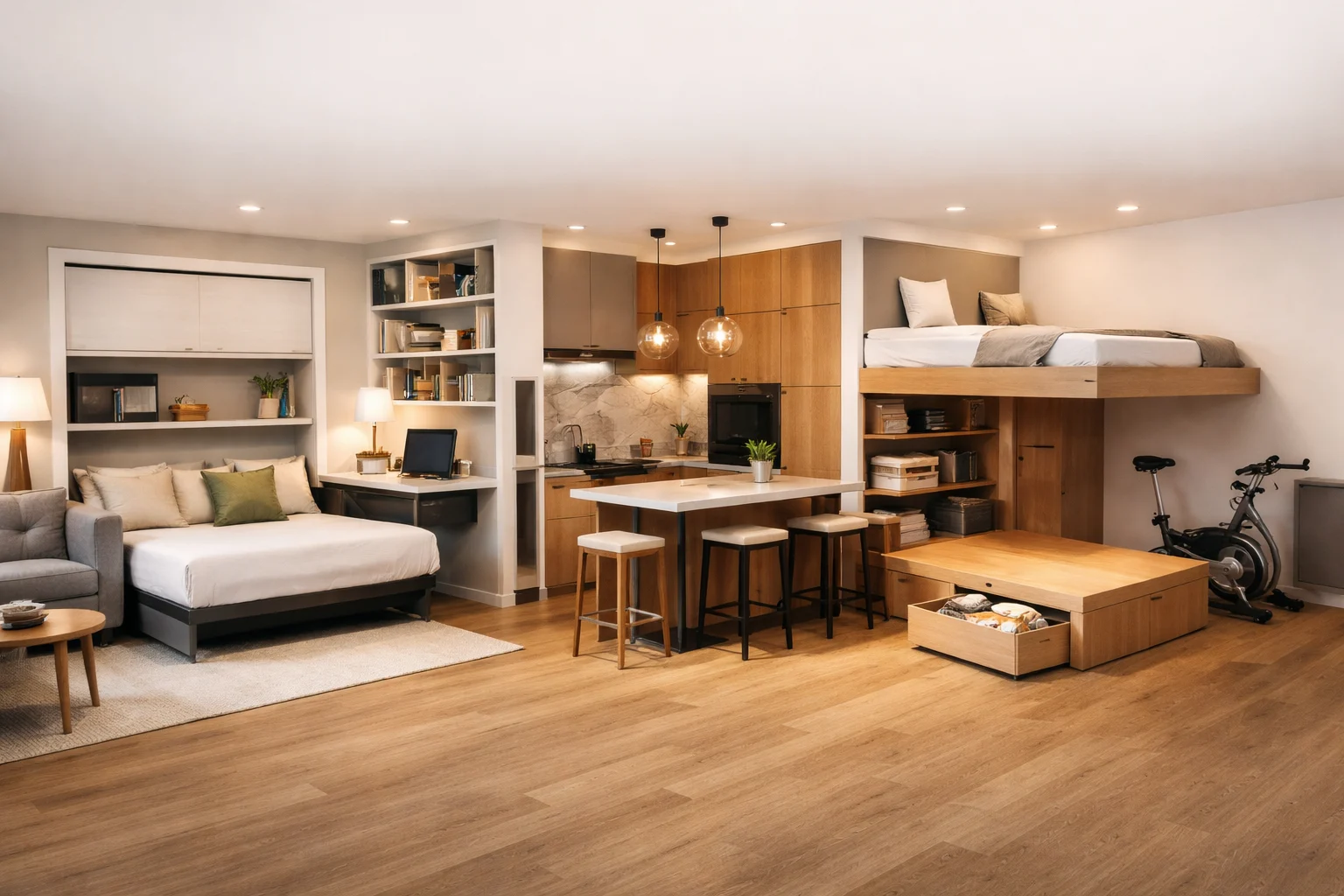
The space works as a kitchen, lounge, office, and bedroom all in one. It also improves how you move through your home, making everyday routines more seamless and efficient. With fewer physical barriers, natural light can travel more freely, enhancing the overall atmosphere. Ultimately, multifunctional spaces help create a home that feels open, adaptable, and far more comfortable than its size suggests.
Main Elements of Smart Multifunctional Design
Creating a successful flex-space requires a balance of psychology and engineering. You want the transition to be effortless. Every element should serve a purpose while keeping the room flexible. Here are the pillars that hold a smart multifunctional space together:
Transformative Furniture
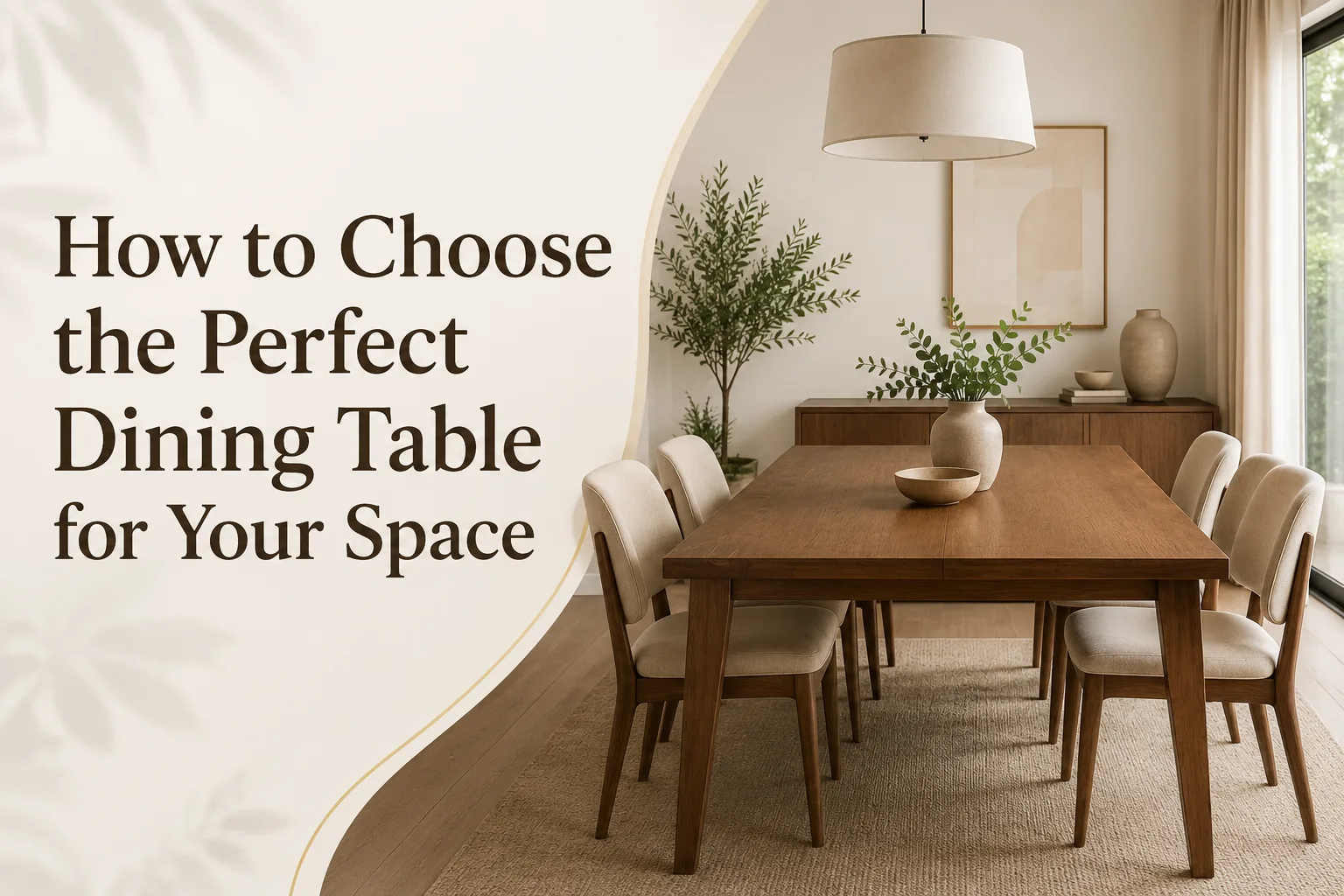
The most important pieces can change when you need them. This includes nested tables, ottoman sleepers, and extendable dining tables. The idea is to have furniture that takes up little space when idle but gives full use when needed. Transformative furniture helps small spaces do more without feeling crowded. Choosing the right pieces can completely change how a room feels and functions.
Vertical Space
When you run out of floor space, look to vertical storage. Tall bookshelves and wall-mounted desks draw the eye upward and make the ceiling feel higher. It also frees up the walking space, which is crucial for maintaining a sense of calm. Vertical solutions make the most of the space without cluttering the floor. Using the height can add style as well as storage.
Zones Without Walls
One of the biggest mistakes in small home design is using heavy partitions. Rugs, different floor textures, and lighting changes can separate areas. Open shelving can divide spaces while letting light through. These strategies create clear zones without reducing openness. Thoughtful zoning helps each part of the room feel purposeful.
Smart Technology
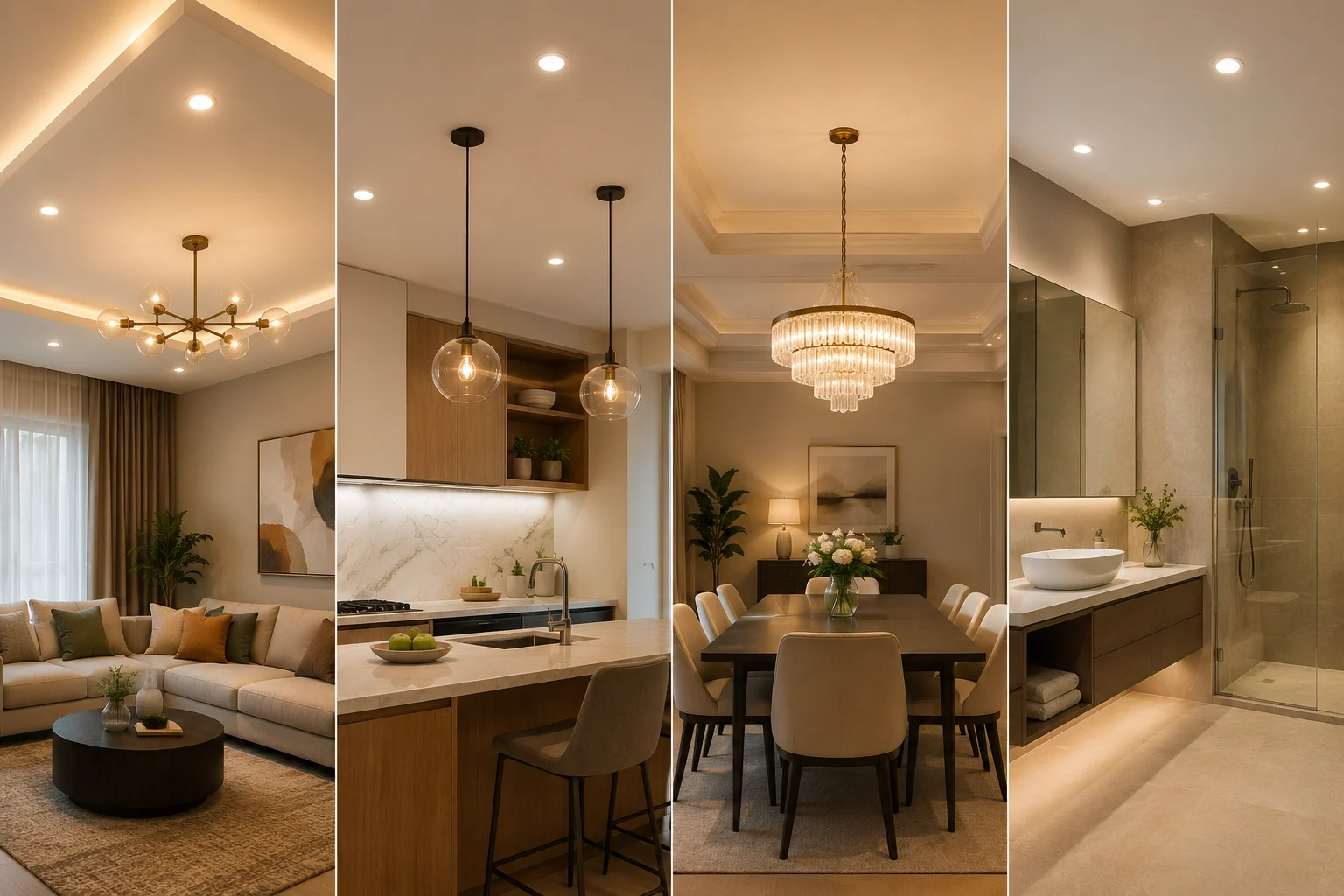
Technology can make multifunctional spaces easier to use. Hidden charging ports, motorized cabinets, and adjustable lighting improve flexibility. Lights can shift from bright for work to warm for relaxing. Smart tech adds convenience without taking up extra space. Technology also saves time and makes everyday tasks feel smoother.
The Main Benefits of Multifunctional Spaces
Multifunctional spaces do more than save room. A well-designed multifunctional home also has real psychological benefits, making it more comfortable and practical. These spaces help keep things organized and make the home ready for anything. Here are the main benefits:
- Reduced Mental Clutter: When everything has a designated place, the room looks organized and neat. This leads to lower stress levels and higher productivity.
- Sustainability: Choosing good, multifunctional furniture means you don’t need to buy cheap pieces often. A quality sofa bed is better for the environment and your wallet than a cheap sofa and a guest mattress.
- Enhanced Social Flow: Flexible layouts are naturally better for entertaining. A kitchen that opens into a lounge via a convertible island allows the host to engage with guests while preparing a meal, making the home feel hospitable rather than restrictive.
Latest Trends in Multifunctional Interior Design
Modern design is focused on efficiency and smart use of space. The goal is to have exactly what you need without clutter, so every part of your home can work harder for you. Multifunctional homes make life easier and more flexible.
- The Japandi Influence: A hybrid of Japanese functionalism and Scandinavian warmth. This trend emphasizes natural materials and clever storage, such as wooden slats that hide storage or screens that slide to reveal a home office.
- Modular Systems: Wall systems let you add different pieces. A shelf today, a desk tomorrow, a bike rack next week. This helps the home change as your needs change.
- Bio-Dynamic Lighting: Lighting that changes color temperature based on the time of day. In a multifunctional room, this is vital. Cool blue light helps you focus during your 10 AM meeting, while amber tones help the same room look warmer by 8 PM.
- Raised Platforms: Designers are using floor levels to create separation. A raised platform might house a bed, while the space underneath acts as massive pull-out drawer storage. It makes a separate room without building any walls.
Final Thoughts on Designing for the Future
The concept of the home is evolving from a static container into a dynamic ecosystem. As we look toward the future of interior design, the most successful spaces will be those that prioritize agility. At Lemon Interiors, we show that compact spaces don’t mean compromise. By embracing smart geometry, transformative furniture, and thoughtful zoning, even the most modest apartment can offer a luxury living experience. We approach each project with a focus on intelligent space planning and refined aesthetics. Our designs are rooted in understanding how people move, live, and interact within their homes. This ensures every space feels both functional and effortlessly sophisticated. Design isn't just about how a room looks in a photograph. It’s about how it works for your life all day. In the world of multifunctional design, the only limit is your imagination.