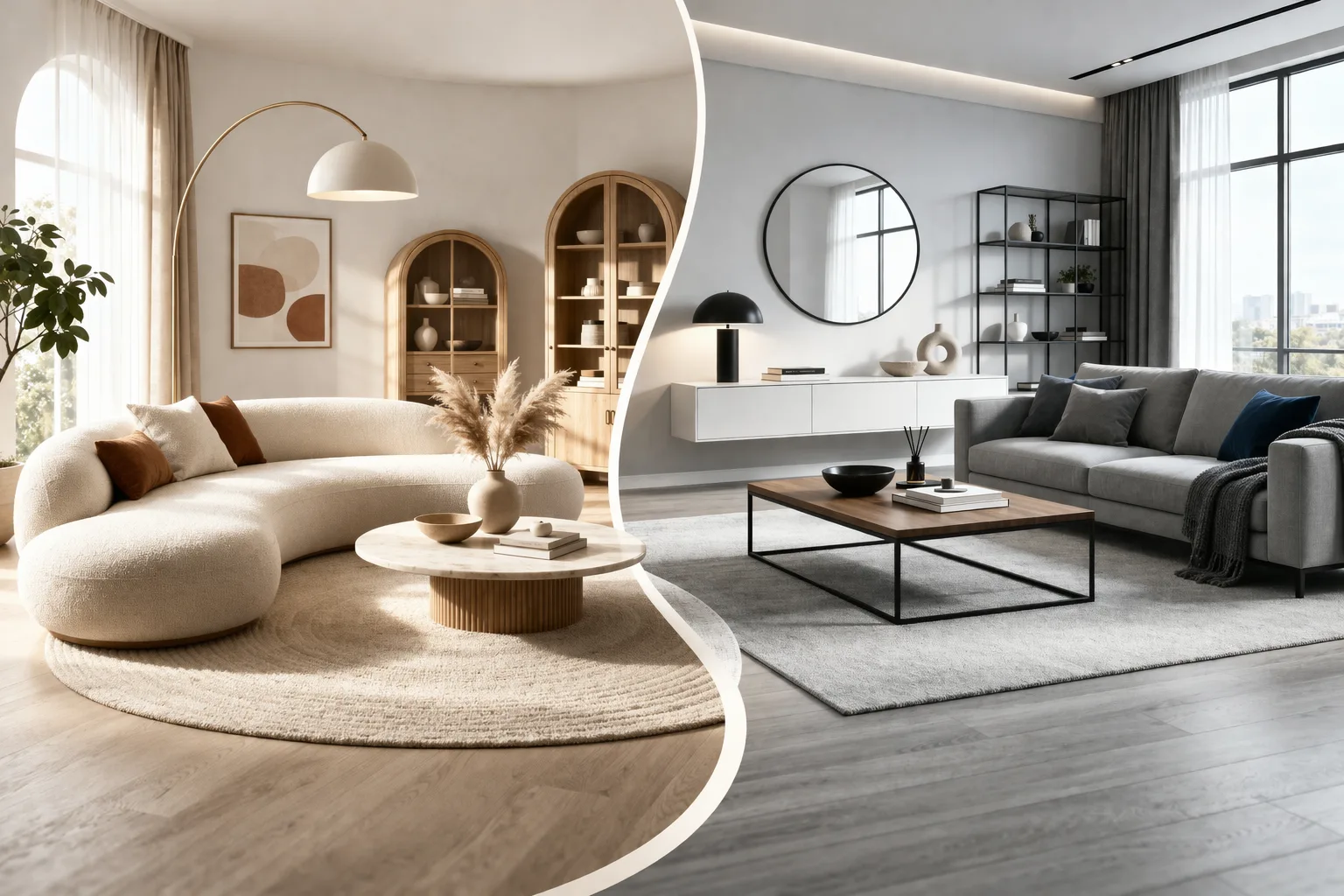
When you walk into a room, your eyes notice the shapes in the space. Even before you focus on the color of the furniture or the texture of the rug, your brain notices the overall shape of the room. This visual impression comes from the soft flow of curved shapes and the clean structure of straight lines.
For interior design enthusiasts and homeowners, the choice between curved and straight-lined furniture is not just about appearance. It also affects how a room feels, how it works, and how comfortable people are in the space. As we progress into 2026, design trends are moving away from strict minimalism. They now focus more on comfort and emotional connection. To achieve this balance, it is important to know when to use curves and when to use straight lines.
What Is Curved Furniture?
Curved furniture does not have sharp corners or strong angles. Most of these designs are inspired by nature and natural shapes. Examples include kidney-shaped sofas from the mid-century modern period, arched cabinet doors, and circular tulip tables that have become popular again. In interior design, curved furniture is often described as soft and gentle in appearance. Because natural shapes rarely form perfect straight angles, curved furniture feels more natural and relaxed. These pieces often stand out in a room and add visual interest, helping break up the rectangular shapes usually found in walls, floors, and layouts. Overall, curved furniture completes a space by balancing structure with softness, making interiors feel both stylish and effortlessly comfortable.
What Is Straight-Lined Furniture?
Straight-lined furniture is a main part of modern interior design. It is known for clean edges, sharp corners, and a strong, structured look. This style became especially popular during the rise of modern architecture and is still common in contemporary and Scandinavian interiors.
Examples include a rectangular wooden dining table, a sofa with square arms, or a modular shelving unit. These pieces are practical and easy to arrange in a room. Straight lines create a sense of order because they often match the lines of walls, windows, and other parts of the building. This helps the furniture fit naturally within the space. In short, straight-lined furniture brings clarity and structure to a room, creating a clean and organized environment.
Curved vs. Straight-Lined Furniture: Main Differences
To choose the right furniture, we need to look beyond how it looks. The differences come down to three main areas. It depends on how it affects people, how it uses space, and how safe it is. Knowing this can help you pick furniture that makes a room both practical and comfortable. Curved furniture often creates a softer, more inviting feel. In contrast, straight-lined pieces provide a clean and structured look. Each style can affect how open or compact a space seems. Finding the right balance between the two can improve both functionality and design.
Psychological Perception
People naturally prefer curved objects. Sharp angles can cause a small stress response because the brain views points as possible threats. Curves, however, indicate safety and comfort. A curved sofa encourages you to relax, while a straight-backed wooden chair tells you to sit up straight.
Spatial Dynamics and Traffic Flow
Straight-lined furniture is best for saving space. Rectangular pieces can sit against walls or fit into corners, leaving the center of the room open. Curved furniture takes up more space. A round dining table requires more clearance for chairs and movement than a rectangular one of the same surface area. Curves need space, and placing a curved sofa in a tight corner reduces its visual and functional impact.
Visual Weight
Straight lines create a sense of direction. They lead the eye across a room, making a ceiling look higher, or a hallway look longer. Curves, on the other hand, act as a visual anchor. They draw the eye inward to a central point, making them ideal for creating focal points in large rooms that might otherwise feel empty.
Which Furniture Style Works Better for Your Spaces?
Choosing the right furniture style can change how a room looks and feels. Some furniture uses straight lines, while other pieces have curved shapes. Each style has its own advantages depending on the space and how the room is used. Understanding where each style works best can help you create a space that is both functional and comfortable.
The Living Room
In a living room meant for hosting and conversation, curved furniture is the best option. A curved sectional or a pair of barrel chairs facilitates interaction more naturally than a straight sofa, where everyone sits in a literal line. If your living room is small, however, choose a straight-lined sofa to preserve floor space, but perhaps introduce a round coffee table to soften the look.
The Home Office
Productivity usually requires order. Straight-lined furniture is almost always superior here. A rectangular desk gives more surface area for monitors, laptops, and notebooks. The clean lines also help create a clear separation between work and relaxation.
The Bedroom
The bedroom is most successful when it feels soft and relaxing. An arched headboard or a round nightstand can make the space feel calmer. While the bed frame itself is typically rectangular for mattress compatibility, incorporating soft edges in the secondary furniture creates a more restorative environment.
The Dining Area
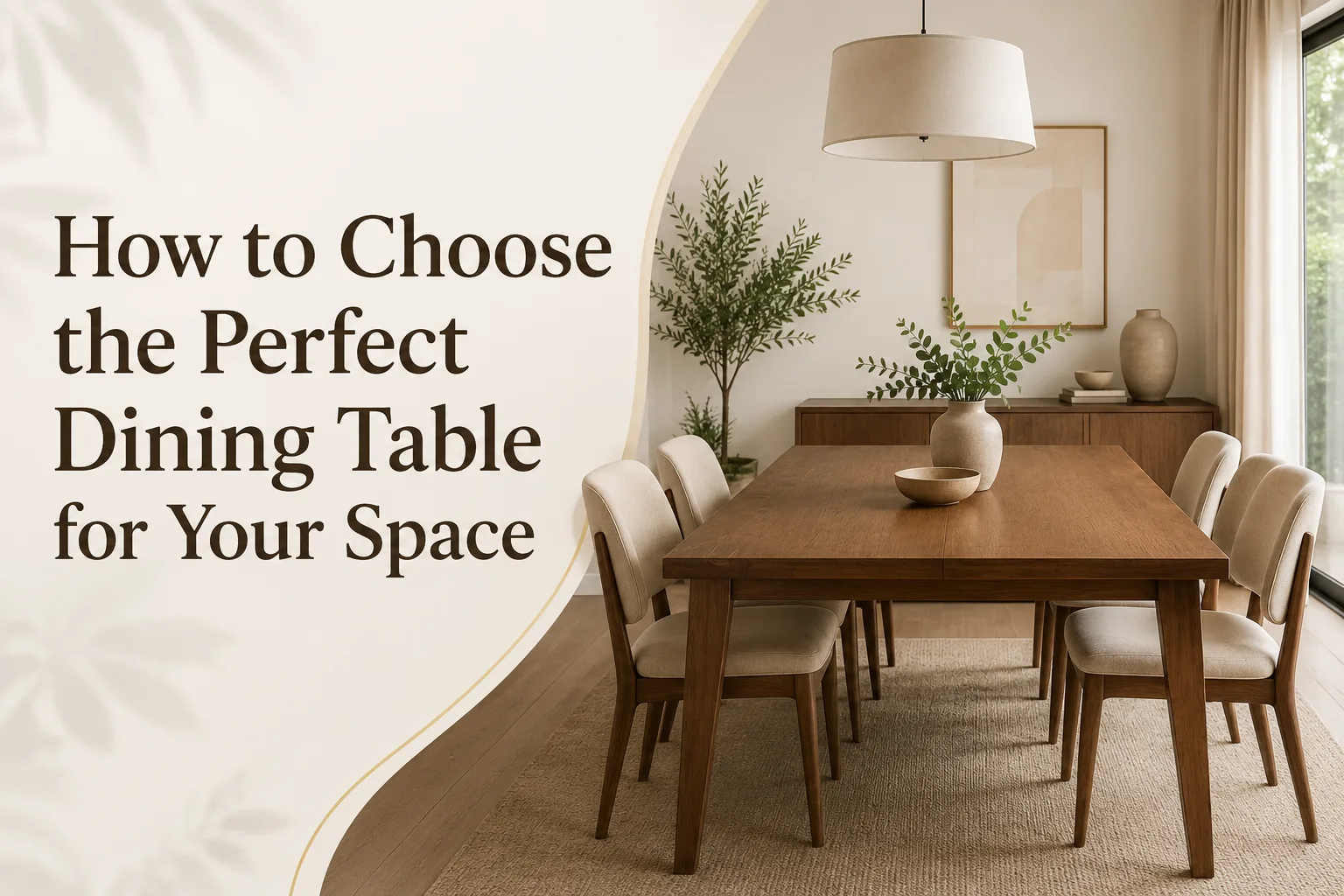
If you frequently host large groups, a rectangular table is practical and extendable. However, for intimate dinners, a round or oval table works well because everyone can face each other easily, which helps conversation flow better.
How to Choose the Right Furniture for Your Space
If you are unsure what furniture to choose, start by looking at the overall design of your home. A room with only straight lines can feel too rigid, while a room with only curved shapes can feel messy. The goal is to create balance, often using the 80/20 rule. Here’s how you can do it:
Look at the Architecture
If your home has high ceilings, industrial beams, and large rectangular windows, it already has plenty of straight lines. In this case, introducing curved furniture will provide the necessary contrast to make the home feel livable. If you live in a space with arched doorways or bay windows, straight-lined furniture can help ground those features and keep the look from becoming too whimsical.
Think About Movement in the Room
Look at how you walk through a room. If you find yourself constantly bumping your hip on the corner of a sideboard or a coffee table, that is a clear sign that the space needs a curved replacement. Curved furniture can make movement easier, especially in busy areas.
Layering for Balance
You don’t have to choose only one style. In fact, mixing both straight and curved shapes often creates a better balance. Designers call this layering. For example, you can start with a large straight-lined sofa as the main piece, add two curved swivel chairs as accents, place a rectangular rug with a soft wavy pattern for texture, and finish the space with a round mirror or an arched floor lamp.
click here to learn more about how to choose the right furniture for functionality and style.
Balancing Curved and Straight Furniture in Modern Interiors
In 2026, soft minimalism has become a popular design style. It combines the clean look of minimalism with softer shapes and rounded edges. This creates furniture that looks structured and comfortable. Whether you are renovating a penthouse or furnishing your first apartment, furniture plays an important role in daily life. Straight lines help keep a space organized, while curves make it feel more welcoming.
For help bringing this balance into your home, Lemon Interiors offers professional interior design and renovation services, guiding you from concept to finished space with furniture and layout tailored to your needs. Our team works closely with clients to understand individual preferences and lifestyle requirements. We focus on creating spaces that are both functional and aesthetically pleasing, ensuring long-lasting comfort. With expert guidance and attention to detail, they help turn ideas into beautifully designed living environments. When choosing a centerpiece, do not focus only on price or material. Look at the shape and think about what the room needs. This will help you choose the right design.