Have you ever searched for modern home ideas on Pinterest and found something really contemporary? Yes, the terms "modern" and "contemporary" home designs are generally used interchangeably.
However, it is worth noting that the two terms are distinct. A proper understanding of a modern interior design vs a contemporary interior design is quite important in choosing the right style for your home.
What is modern interior design?
Modern interior design is not a style that is in trend now. It is a specific, historic style that grew out of the early to mid‑20th century. The design is strongly influenced by the German Bauhaus movement and Scandinavian design.
The key features of a modern interior design can be summarised as
- Clean, straight lines – The furniture and architecture focus on the horizontals and verticals. The design has a very little ornamentation.
- “Form follows function” – Every piece is designed to be useful first. Beauty comes from simplicity.
- Natural materials – Typically used materials include wood, stone, leather, linen, and sometimes exposed concrete and steel.
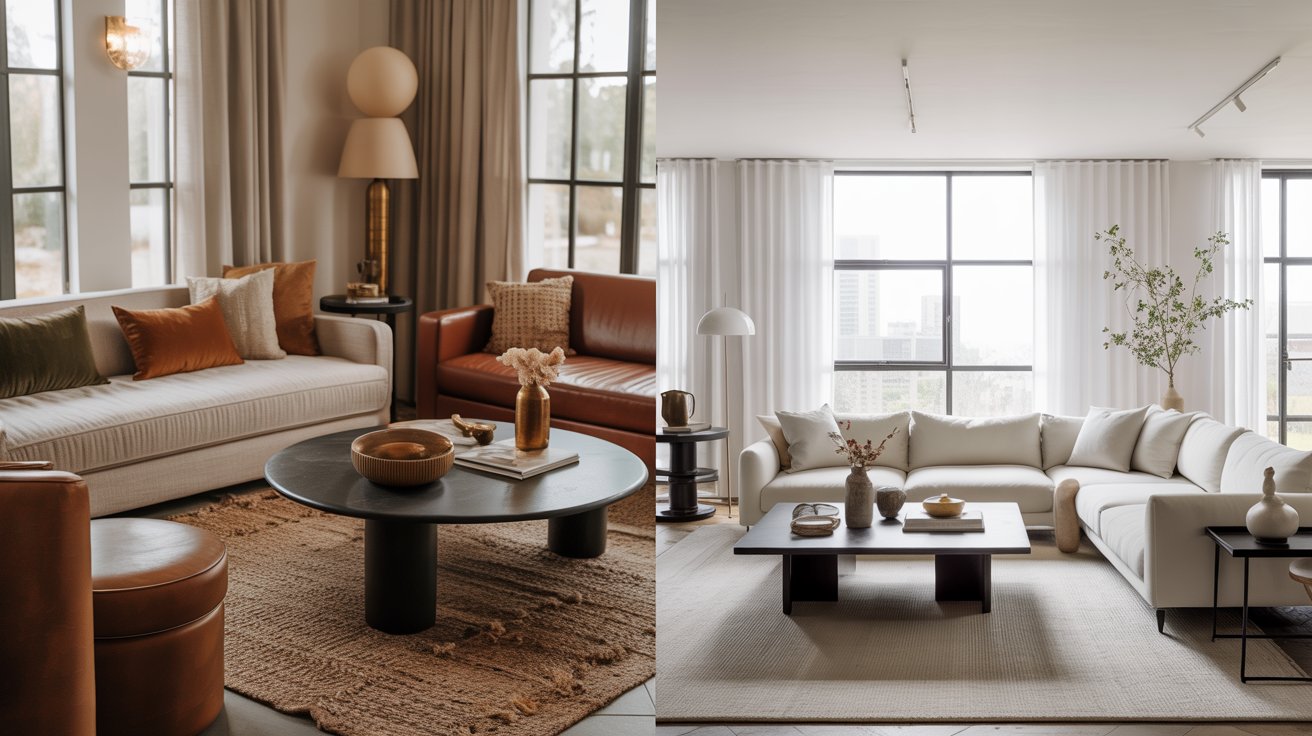
- Warm, earthy palettes – It includes whites and beiges balanced with browns, rust, olive, turquoise, and other muted tones.
- Minimal visual clutter – The design involves fewer accessories, more open surfaces, and lots of negative space.
These modern designs appear calm, grounded, and timeless in nature. A modern interior design is a good choice if you prefer order, simplicity, and a slightly retro vibe.
What is a contemporary interior design?
The contemporary interior design is what is in trend now. It literally denotes what is contemporary. It does not belong to any particular historical period. Instead, it keeps changing. What was contemporary a few months ago may no longer be so today.
The core features of the contemporary design include
- Mix-and-match style – It borrows from modern, minimal, industrial, Scandinavian, Art Deco, and other design parameters
- Fluid, softer forms – Alongside straight lines, it also involves curves, organic shapes, and sculptural pieces.
- On-trend materials – The design uses metals like nickel and chrome, glass, engineered woods, eco-friendly materials, and textured fabrics.
- High-contrast palettes – use black, white, and grey as a base, with bold accent colours or rich, earthy tones.
- Open, airy layouts – Contemporary design features open-plan living, fewer walls, and flexible furniture suited to multitasking spaces.
The contemporary design is an excellent option if you are looking to stay current.
Key Differences Between Contemporary and Modern Interior Design
We will examine the differences between contemporary and modern interior design in terms of a few key parameters.
Materials and Textures
Modern interior design uses the following materials –
- Natural, honest materials: solid wood, leather, linen, cotton, stone.
- Visible structure: slim metal legs, simple wooden frames, exposed concrete or brick.
- Smooth, matte finishes with occasional subtle texture.
In contrast, the contemporary design makes use of the following materials –
- A broader mix: glass, chrome, brushed metals, engineered woods (MDF, plywood), recycled and eco-conscious materials
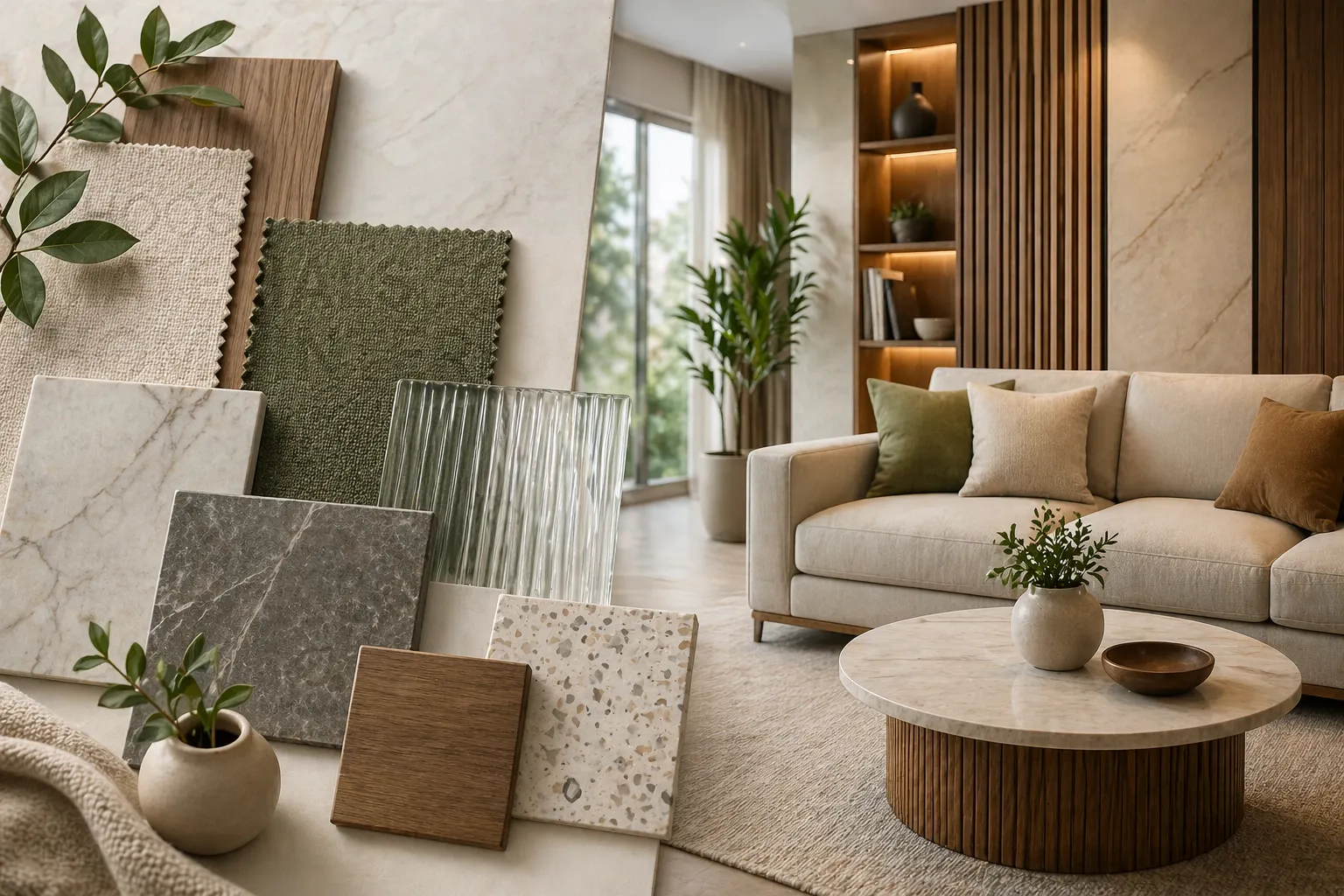
- Layered textures: bouclé, velvet, jute, hemp, ribbed glass, fluted panels, slatted wood.
- More experimentation—high gloss next to raw stone, or metal with soft, tactile fabrics
Colour palettes and comparison
The colour palette used in the modern interior design focuses on the following colours-
- Warm neutrals and earth tones like beige, cream, tan, brown, rust, olive, muted blues, and greens.
- White walls are common, with colour used in moderation through furniture and art.
- Occasional pops of primary colours (red, blue, yellow) in an otherwise calm scheme.
In contemporary design, you will generally witness a focus on the following palettes –
- High contrast with crisp white with charcoal, black, or deep greys.
- Bold accents like indigo, emerald, mustard, burnt orange, wine, or trendy tones of the moment.
- “New neutrals” such as stone grey, taupe, greige, soft clay, and other nature‑inspired but sophisticated shades.
Furniture and Layout
The typical signs of the modern design include
- Low-slung sofas and chairs with clean, geometric silhouettes.
- Exposed legs and simple frames—no bulky skirting or heavy carving.
- Layouts that are open but ordered, with clear sight lines and balanced compositions.
On the other hand, contemporary design would adopt the following styles –
- A blend of straight and curved pieces is the primary focus. Some examples are plush sofas with rounded edges, sculptural lounge chairs, and statement coffee tables.
- Furniture that prioritizes comfort and versatility (modular sofas, nesting tables, multipurpose storage).
- Very open, fluid layouts that can shift with changing needs—work‑from‑home corners, flexible dining zones, etc.
Tip – These are just a few ideas. Consulting a reputed interior design expert like Lemon Interiors should help you choose the right styles.
Lighting Styles
Modern lighting typically uses the following styles –
- Simple, functional fixtures like basic pendants, floor lamps, and wall lights with clean shapes.
- Emphasis on natural light via large windows and minimal window treatments.
- Minimal decorative detail. The lighting supports the architecture rather than stealing the show.
In contemporary design, you can find the following styles –
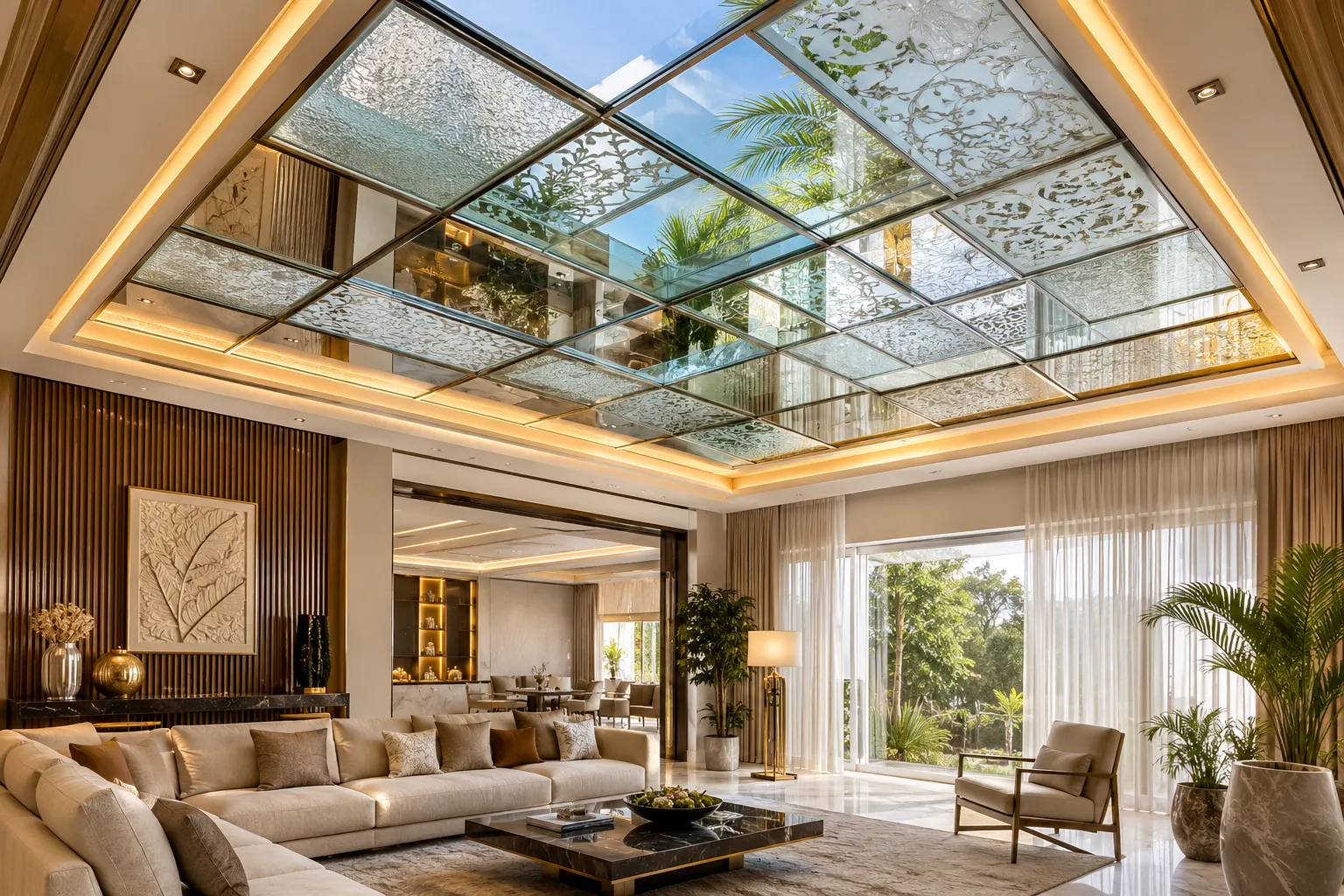
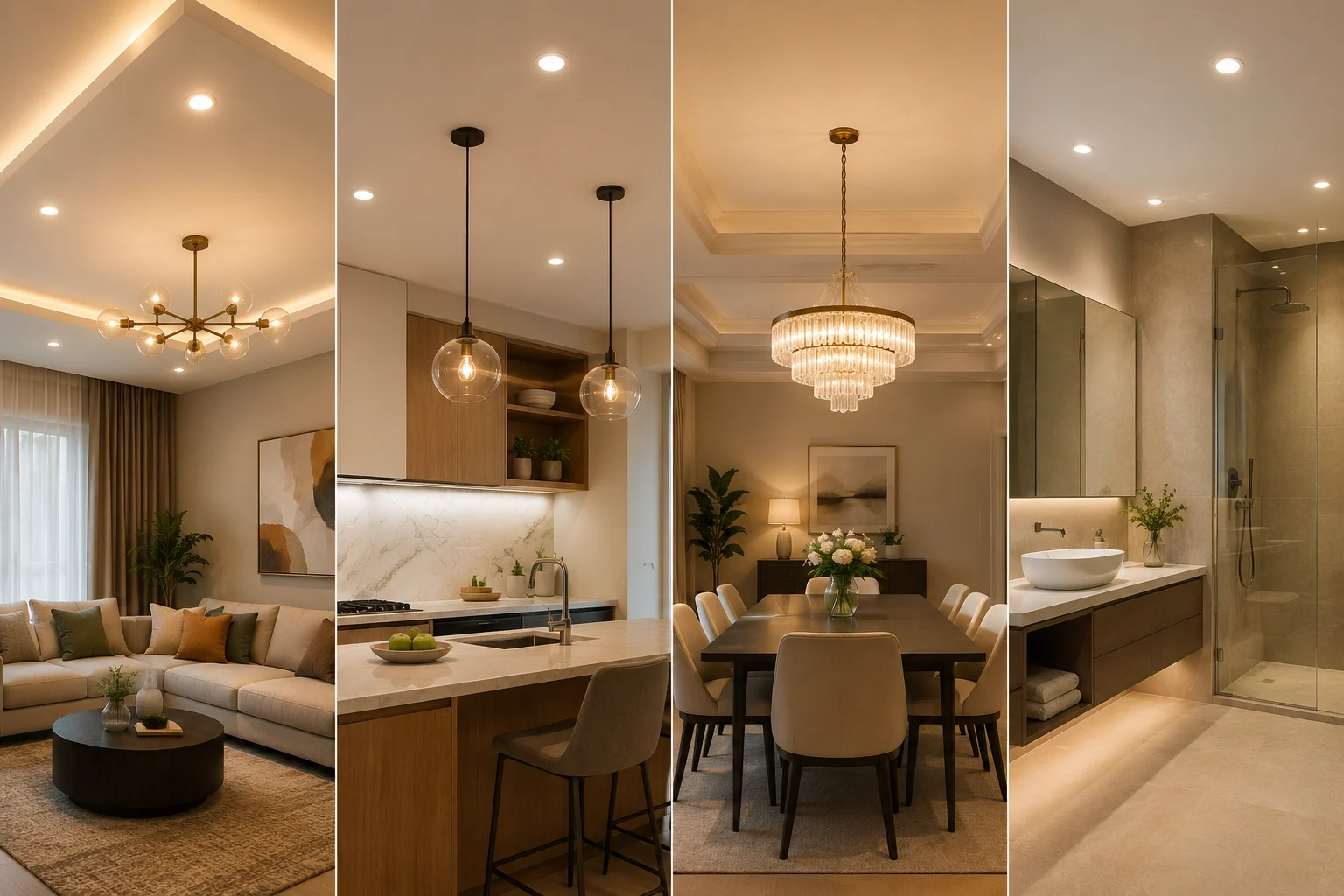
- The design uses lighting as sculpture. It involves the use of statement chandeliers, striking pendants, and old floor lamps.
- Layered lighting plans with recessed lights, LED strips, cove lighting, and dimmers.
- Creative use of light to highlight textures, artwork, and architectural features.
Patterns, Shapes, and Lines
Modern interiors typically stick to the straight and clean lines. Patterns are used only occasionally. The primary focus is on the geometric shapes. The overall look remains minimal.
In contemporary interior design, curves and organic forms are liberally used. Patterns are much bolder and balanced with solid colour options.
Cost and Maintenance Comparison
- Modern interiors often involve an upfront investment in high‑quality, timeless pieces and natural materials. You will find that they age gracefully.
- Contemporary interiors can be built at a range of budgets. However, because the style follows current trends, you may want to refresh some elements more often.
Which Interior Design Style Is Right for You?
The choice between modern and contemporary design styles depends on your preferences. Ask a few questions of yourself, and you should be able to identify which style suits you.
Choose modern interior design if you.
- Love timeless, mid-century,y or Scandinavian aesthetics.
- Prefer warm, natural textures over high‑gloss finishes.
- Want a calm, clutter‑free home that won’t date quickly.
- Value function and simplicity over ornamentation.
Choose contemporary interior design if you
- Enjoy following design trends and experimenting with new looks.
- Like high-contrast, statement lighting, and sculptural decor.
- Want maximum flexibility to mix styles and update pieces over time.
- See your home as a canvas that evolves with your lifestyle.
Want to find Your Perfect Design Direction?
Understanding the difference between contemporary and modern interior design is important when renovating your home. Modern design delivers simplicity, warmth, and longevity. The contemporary design offers energy, experimentation, and a snapshot of today’s style.
If you are unable to find the best among the two, the best option would be to partner with an interior designer who understands the subtle differences between the two. Lemon Interiors specializes in creating both modern and contemporary spaces (and thoughtful blends of the two), tailored to your lifestyle, budget, and taste.